Lamb Meatballs Simmered with Tomatoes & Chard

When a copy of Tangy Tart Hot & Sweet by Padma Lakshmi came my way, I expected to look through it then pass it on. We don’t watch much television, and it seemed an unlikely cookbook for me to keep. Surprisingly (thanks, Leslie!), it’s filled with accessible dishes by someone who’s clearly familiar with the pleasures of the table, and loves to cook as well as eat. If there was only one recipe I would take away from this cookbook, this one for lamb curry would be it.
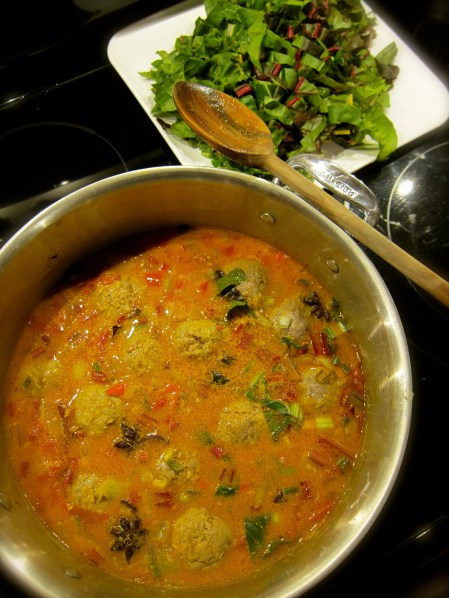
I think of this as a Marco Polo dish — locally grown ingredients combined with spice route seasonings — and it’s as satisfying to make as it is to consume. The recipe might appear lengthy but there’s very little to mind once everything’s in the pot. Hand-formed meatballs of ground lamb are slowly simmered in a fragrant tomato sauce. The original recipe calls for spinach, here chard from the garden takes its place. By the end, the meatballs have become tender, nestled in among the now softened ribbons of chard and enriched by homemade yogurt. Since fresh tomatoes are scarce here this late in the season, tonight’s batch was made with a few storage tomatoes augmented with canned ones from last season’s harvest. Replacing the meatballs with hearty chunks of potatoes or winter squash turns it into an equally flavorful vegetarian version.

Lamb Meatballs Simmered with Tomatoes & Chard

Meatballs:
1½  pounds ground lamb
1 egg, beaten
1 teaspoon garam masala
1 tablespoon minced fresh ginger
½ cup minced fresh cilantro
¼ to 1 teaspoon cayenne pepper
1 teaspoon ground coriander
1 teaspoon minced garlic
1 cup minced yellow onion
1 teaspoon salt

Simmering Sauce:
3 tablespoon cooking oil or ghee
1 teaspoon cumin seeds
1–3 whole dried red chilies
3 cloves
4 star anise pods
4 cloves garlic, chopped
1 cup diced yellow onions
1 tablespoon minced fresh ginger
2 cups chopped fresh or canned tomatoes
1 teaspoon curry powder
1–2 tablespoons tomato paste
½ cup chicken stock
3–4 cups hot water
½ cup chicken stock
1 bunch fresh chard
½ + 1 cup plain yogurt
Sea salt

– In a large bowl, combine ingredients to make the meatballs, kneading the mixture to a uniform consistency. Rub a few drops of cooking oil into the palms of your hands so the meat will not stick, and form meatballs about 2 inches in diameter, making about 12 to 14 meatballs. Place in single layer in large food container, and refrigerate for at least 2 hours or overnight.

– Remove stems from chard, chop coarsely and set aside. Chop leaves into thin ribbons, making a chiffonade, and set aside.

– To make the sauce, heat cooking oil or ghee in a large, wide, deep skillet, over medium heat. Toss in the cumin, chilies, cloves and star anise. After the spices begin to color, about 2 minutes, add the chard stems, garlic, onions, and ginger, and stir for 5 to 7 minutes, until the onions become glossy. Stir in the curry powder and tomato paste, cooking for a minute. Add ½ cup of the yogurt and continue cooking for another minute or so. Add the fresh tomatoes, and stir until they lose their shape.

– Add the stock and 3 cups of the water, and bring the sauce to a simmer. Gently lay the meatballs into the sauce, spooning a bit of the sauce over them to moisten. If needed, add more hot water until meatballs are barely covered. Cover the skillet, and reduce heat to medium low. Simmer the meatballs on low heat for 40 minutes, gently stirring often to make sure they remain bathed in the sauce and do not stick to the bottom of the pan. Do not break meatballs.

– Reduce heat to low, add the fresh chard, and cover the pan. Once the chard has wilted and reduced, about 4 minutes, lift the lid and slowly stir in the rest of the yogurt. Add salt to taste and continue simmering for 10 to 15 minutes more on very low heat until yogurt begins to separate. If desired, remove whole spices before serving with plain steamed rice or flatbread.

Recipe adapted from “Tangy Tart Hot and Sweet” by Padma Lakshmi.
Posted in cooking | Tagged , , | 9 Comments

12.11.11 Mid-December Harvest

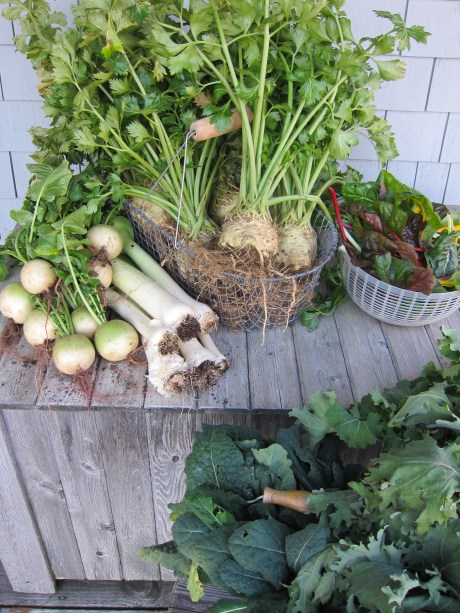
Left to right: watermelon radishes, leeks, celeriac, chard, and kales; not pictured: mesclun and cutting celery. 

With the raised beds covered snugly with mini hoophouses, it’s easy to get lulled into believing the garden would continue far into winter. However, last night’s dip down to 23° proved otherwise. The surrounding ground is now frozen, and we feared leaving these unharvested would risk losing them altogether. We picked the plants hard, but left a few of each to see how they’ll fare as the season deepens. We’re pleased with the variety the garden is producing this far into December, and have a couple of beds still filled with cold-hardy carrots and leeks.

Posted in garden | Tagged , , , , , | 7 Comments

A harvest of this year’s cookbooks

I admit, I have a lot of cookbooks. But not, as it turns out, as many as some others. Still, I have enough that when one or another gets cooked from more than once, it’s obvious. Visit me over at Chews Wise to read about some of my favorites published this year:

When Sam asked for my short list of this year’s cookbooks, it wasn’t difficult to choose. These are the ones that have made themselves at home in my kitchen, and have the food stains and handwritten notations to show for it. With local ingredients readily available from our garden or local farmers’ market throughout the year, I view sourcing locally as less a limitation than a chance to cook with the best the season has to offer, and each of these titles have proven themselves able companions. Read more…

Posted in cooking | 8 Comments

Walnut Sage Pesto

“Sage: Occasionally used in French cookery but never in the large quantities in which it goes into stuffings for pork and duck in English cookery. Like rosemary, it can be a most treacherous herb, overpowering and spoiling the flavor of the food with which it is cooked.” — Elizabeth David, “French Provincial Cooking”

My first garden was a tiny corner outside the kitchen door. We’d just moved to Maine from New York and, for a beginning gardener, herbs seemed a reasonable place to start. Though the herbs I’d planted were common, being able to pick them fresh as needed was, and still is, a constant delight.

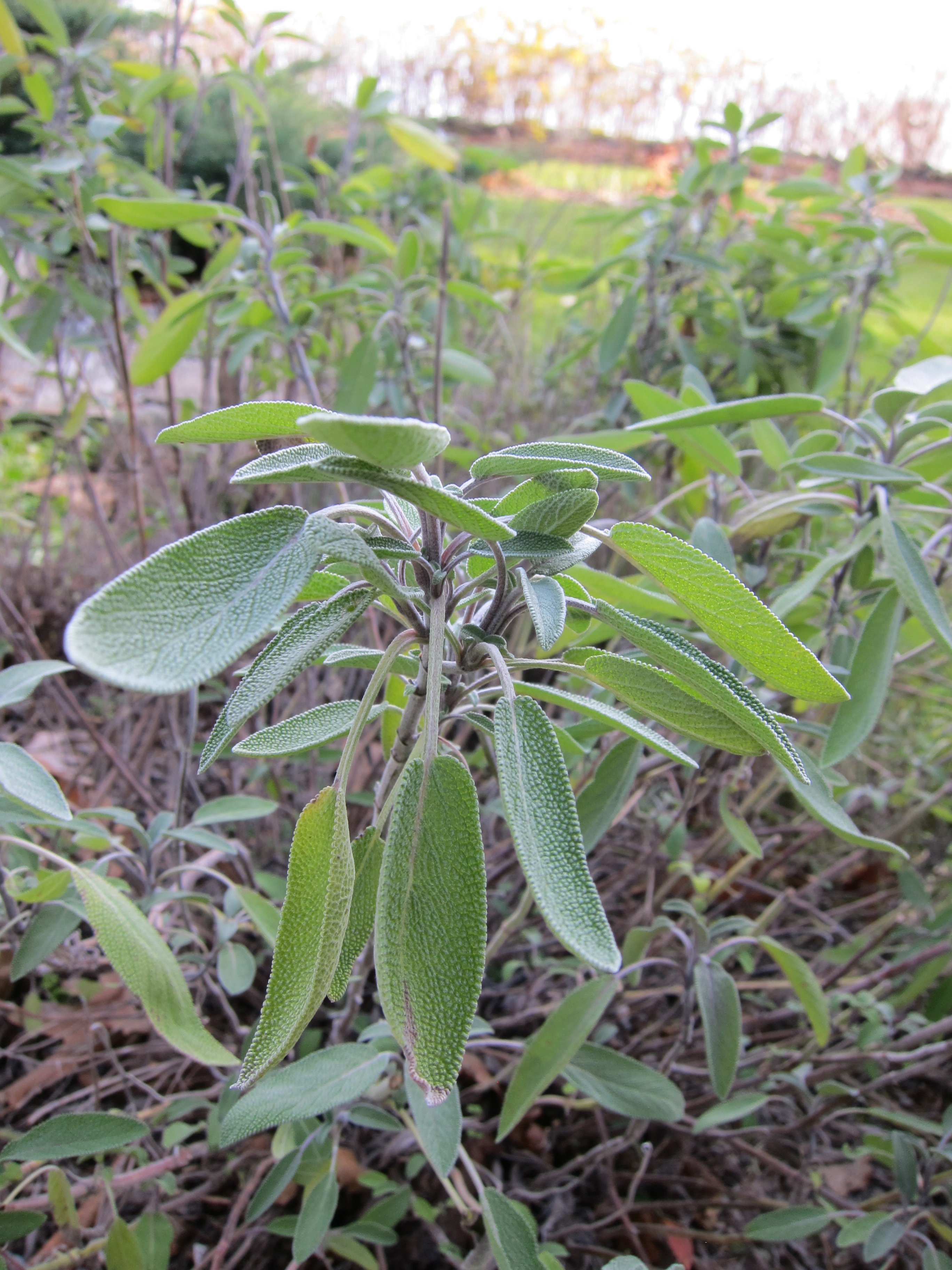
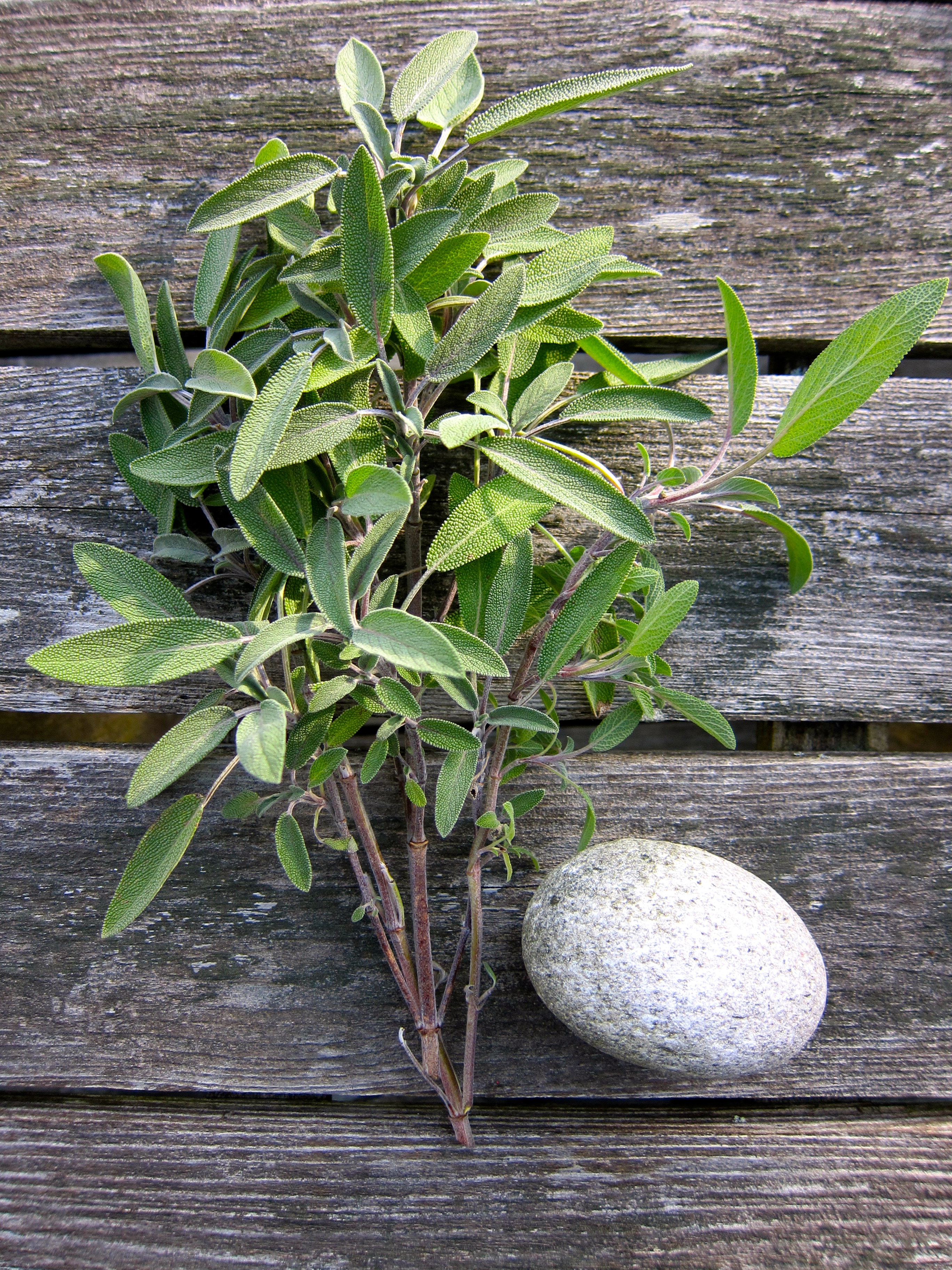
There are many cultivars of sage to choose from, however, common or garden sage (Salvia officinalis) is the one best known for culinary use. Sage comes up early in spring, with tender and mild-tasting leaves. As the season progresses, it gains strength and aroma, especially after flowering. Though most advise using it sparingly, this nutty sage pesto shows the herb off in all its “treacherous” glory. We used it to dress some gnocchi made from one of our winter squashes, and later spooned the remainder over a simple bowl of simmered yellow eye beans.

Walnut Sage Pesto

2 cloves garlic
1 teaspoon salt
½ cup parsley leaves
¼ cup fresh sage leaves
½ cup walnuts, lightly toasted
½ cup pine nuts, lightly toasted
½ cup olive oil
½ cup grated Parmesan cheese

– Put the garlic and salt in a food processor, and pulse to chop. Add the parsley and sage, and process until blended. Add the toasted nuts and pulse until finely chopped. Slowly add the olive oil through the feed tube with the motor running. Stop the processor, add the cheese, and pulse until just combined.

– This pesto can be made in advance. Store in jar, covered with ¼ inch of olive oil; it will keep in the refrigerator for several weeks. It may also be frozen, and will remain good for up to one year.

Recipe adapted from “The Compleat Squash” by Amy Goldman.

Posted in cooking | Tagged , | 2 Comments

12.5.11 Greens in December

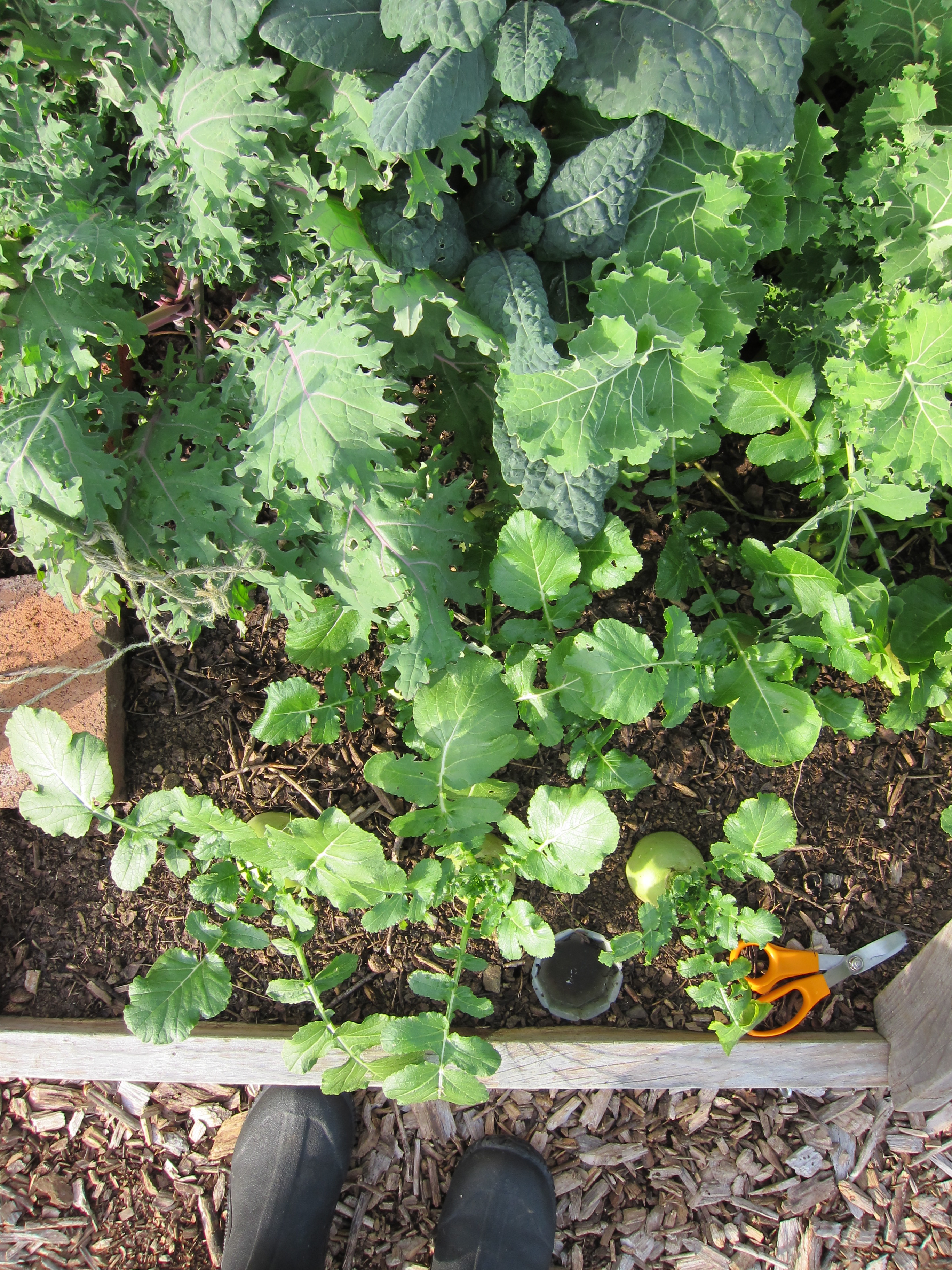
It was an unexpectedly sunny day with temperatures near 60 degrees, an opportunity to get out, lift the covers, and poke around the raised beds. One of the drawbacks of having created a warm, moist environment was the veritable army of slugs we found there. We did battle and scraped a ridiculous number of them off the Red Russian, Lacinato and Siberian kales; otherwise, the kales and the watermelon radishes are holding well.

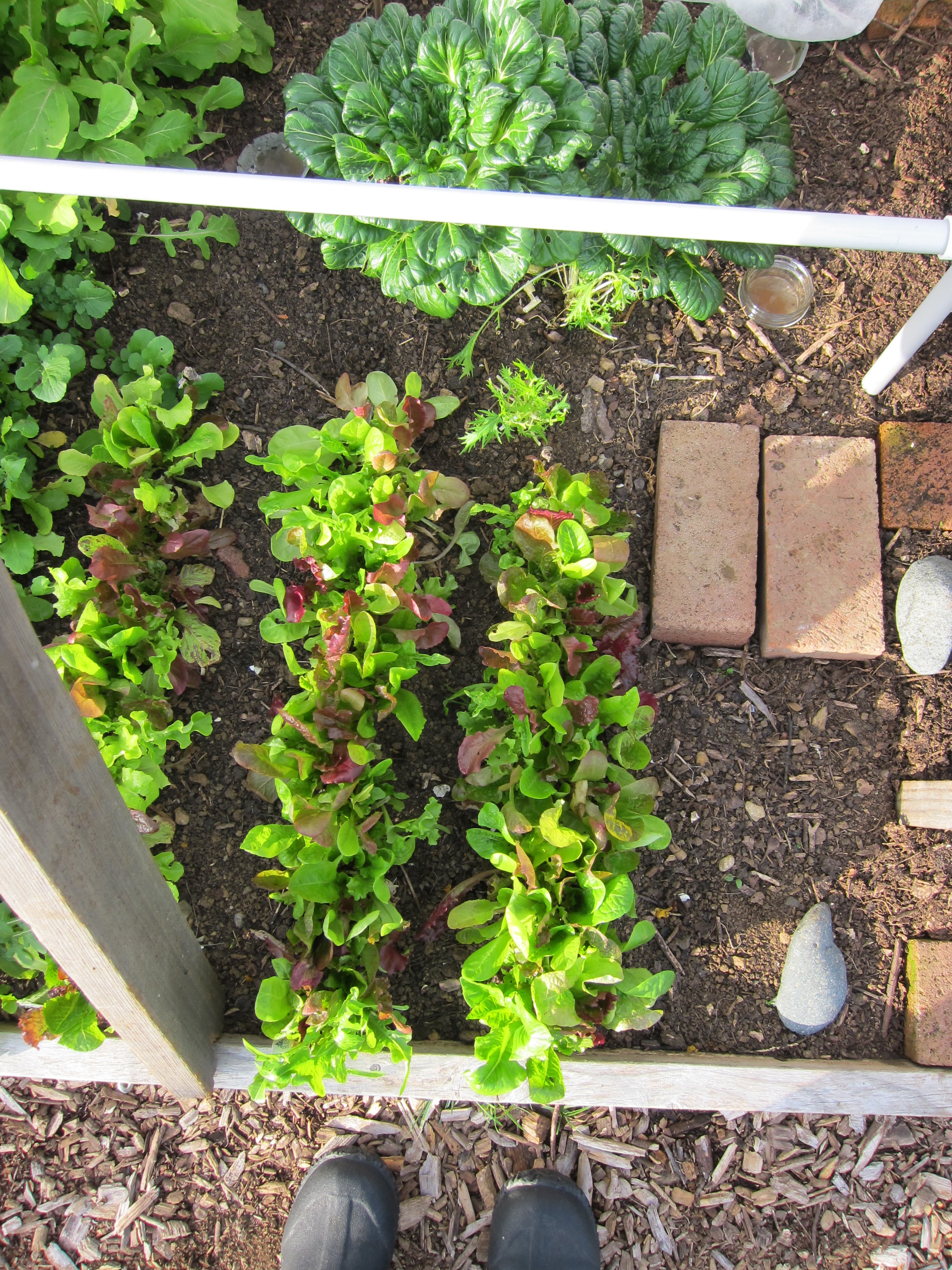
Arugula, tatsoi, and mesclun mix in the next bed over are also doing fine.  Since Thanksgiving, temperatures have averaged 9 degrees above normal for this time of year. The forsythia is confused and, thinking it’s spring, has started to bloom. We cherish the chance to putter about in the garden, but find it disconcerting all the same.

Posted in garden | Tagged , , , | 4 Comments

Winter Farmers’ Market interlude

It was another beautiful Saturday at the Winter Farmers’ Market in Rollinsford, NH, with lots to choose from for holiday gift-giving — see set of photographs or slideshow.

Posted in interlude | Tagged | 6 Comments

Slow-Cooked Kale with Stewed Garlic

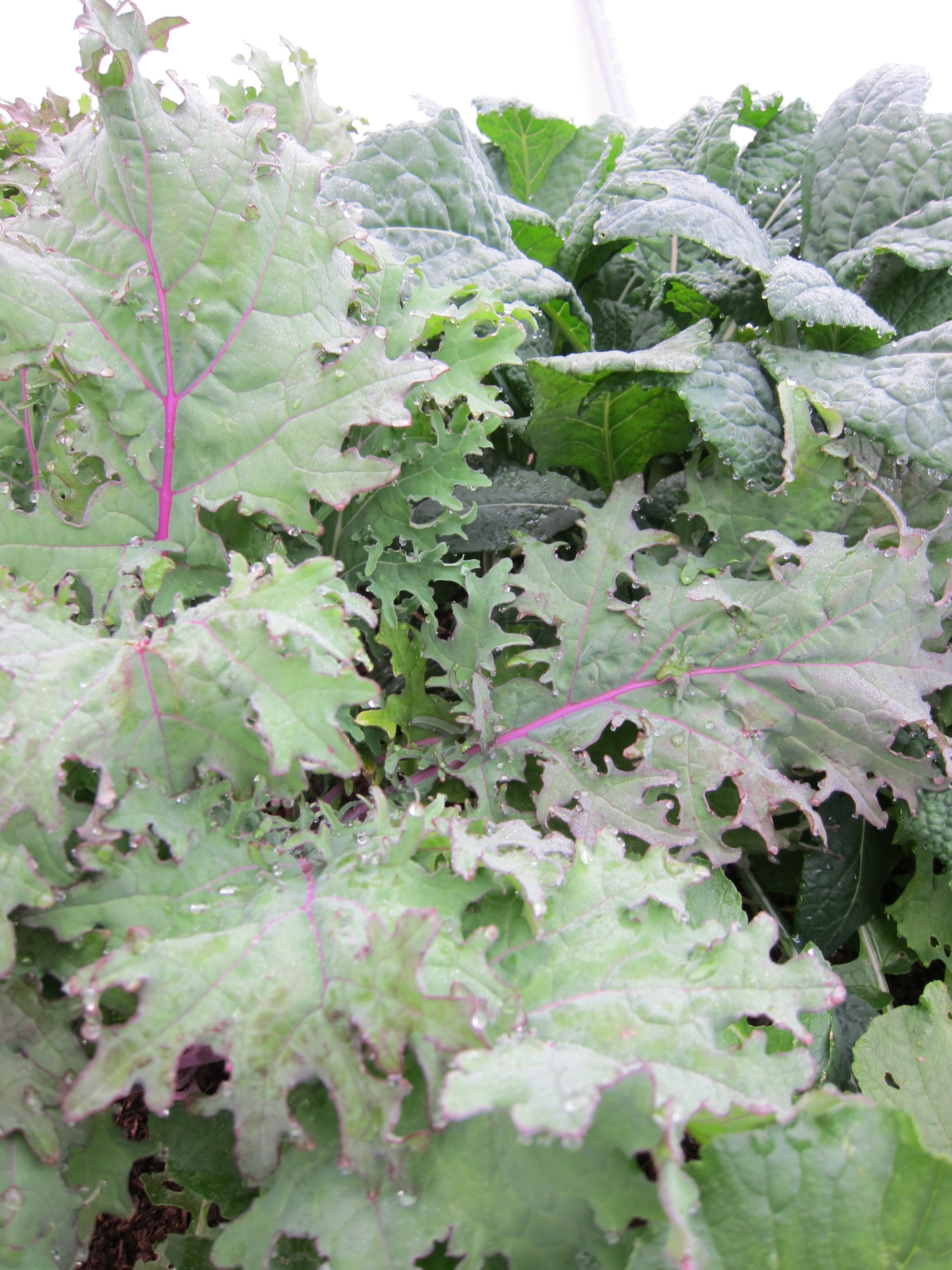
Red Russian and Lacinato kale growing under cover.

Much as I enjoy kale, having masses of it all at once can be daunting. Its unruly leaves can take up a lot of refrigerator real estate. One way of taming it is to grab the whole lot and make a big batch of “Slow-Cooked Kale with Stewed Garlic.” This recipe from Andrea Reusing’s book, Cooking in the Moment, teases out the inherent richness of kale, rendering it both ready to use and subdued into a more easily stored form.

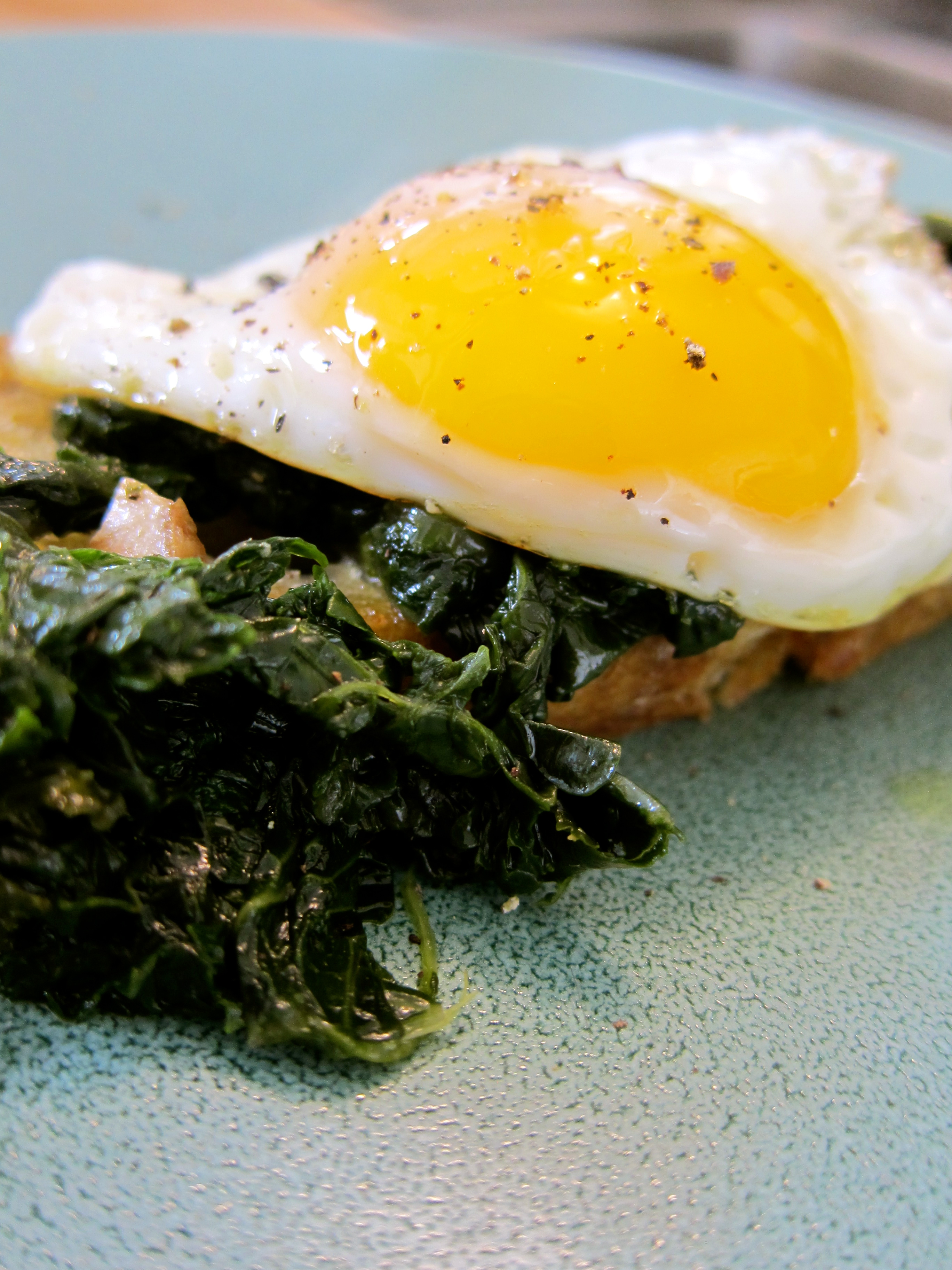
This garlicky kale dish accompanied a dinner of sauteed chorizo sausage, onions and red peppers, and roasted slices of delicata squash from the garden. For brunch the next morning, we toasted up thick planks of potato ciabatta in olive oil, and piled it with more of the kale and a hearty fried egg. There’s just enough slow-cooked kale left to make Reusing’s “Kale Panini,” something to look forward to having later in the week.

 Slow-Cooked Kale with Stewed Garlic

2 bunches (about 1 pound) kale, stems removed
3 tablespoons olive oil
4 garlic cloves, thinly sliced
Salt
Pinch of red pepper flakes, or to taste
3 long strips of lemon zest

– Fill a large pot with water and bring to a boil over heat. Salt it generously, add the kale, and blanch for 1 minute. Drain immediately and squeeze out excess water.

– Return the pot to the stove over low heat; add olive oil and garlic, season with a pinch of salt, and cook gently for 3 to 5 minutes, until the garlic is soft but not browed. Add the red pepper flakes and let it cook slightly before adding the kale and lemon zest. Season with another pinch of salt.

– Cover and cook over low heat for 30 minutes, stirring occassionally and adding a splash of water as needed to keep it slightly moist while cooking. When tender, remove from heat. Serve immediately or let cool and store in the refrigerator.

Recipe adapted from “Cooking in the Moment” by Andrea Reusing.

Posted in cooking | Tagged , , | 4 Comments