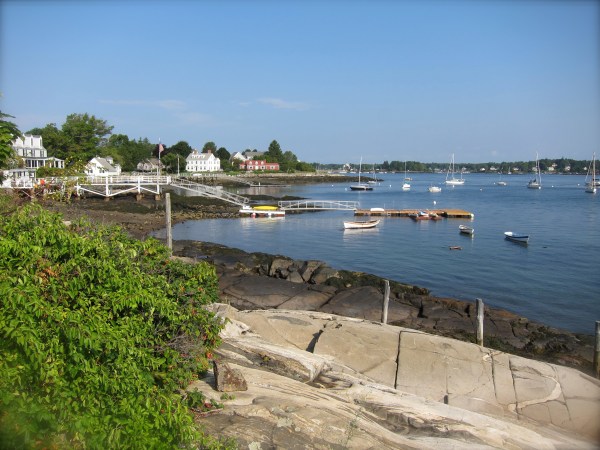
Field Trip: Great Bay Discovery Cruise

The prediction was for thundershowers, but not until afternoon. Meanwhile, the weather looked promising for a day out on the water. Through their Marine Docents program, the University of New Hampshire offers several educational cruises each summer — we’d enjoyed taking the Isles of Shoals Discovery Cruise several years ago, and were looking forward to this one up to Great Bay Estuary.
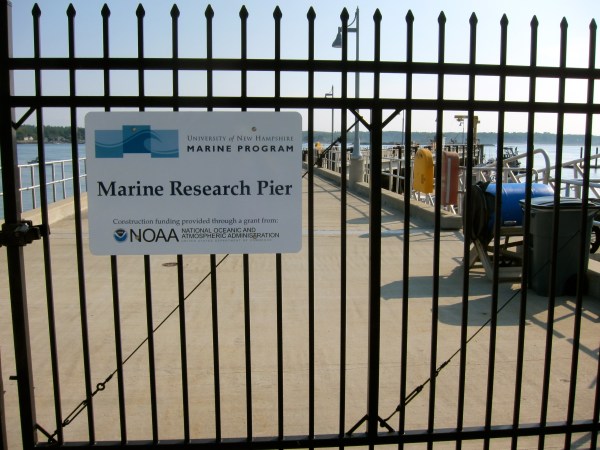
The cruise launches from the Marine Research Pier in New Castle. Opened in 2009, it provides dock space for the UNH fleet, as well as areas for experimental research tucked in among the bays underneath.
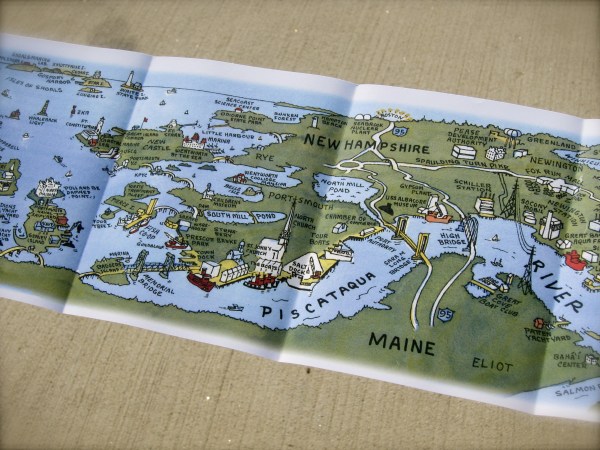
After checking in, we were given a map showing the landmarks to guide us along the way. Starting from New Castle, the cruise travels up the Piscataqua River, then into Great Bay Estuary, a tidal basin where seven rivers meet the sea. 
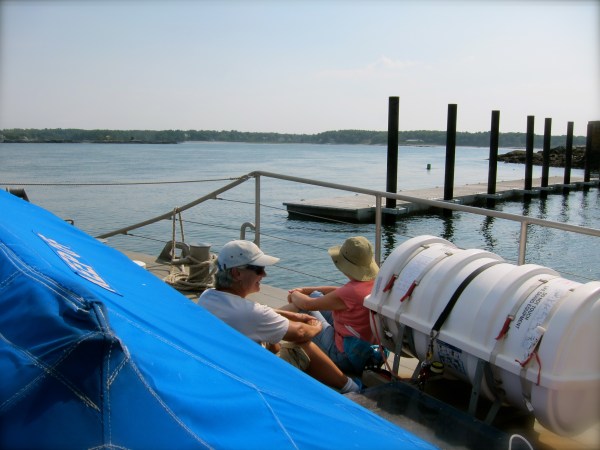
Our group of families, couples, docents and students settled aboard the UNH research vessel, Gulf Challenger, and left the dock around 9 in the morning.
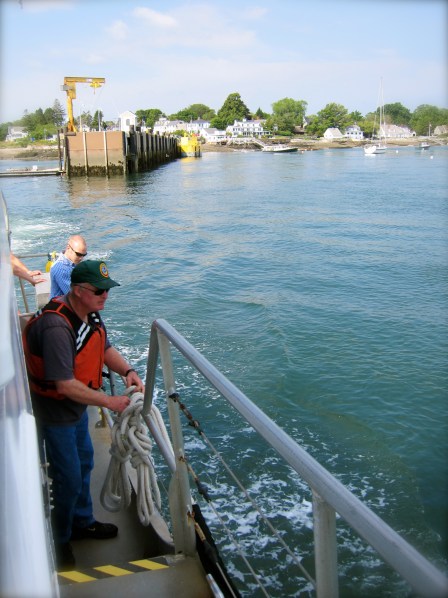
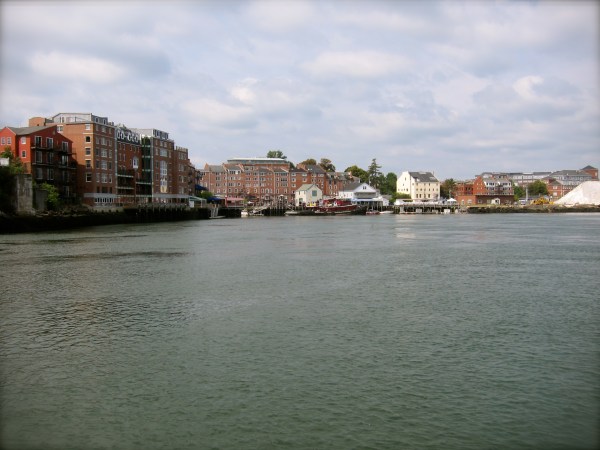
The shoreline is typical of a working waterfront, a mix of the quaint and the industrial… 
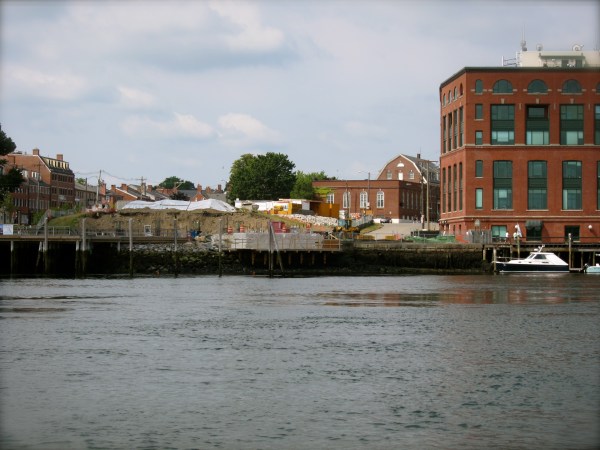
…segueing from Portsmouth and it’s absent bridge.

...past the salt pile on the edge of town…

…to the Schiller energy plant…
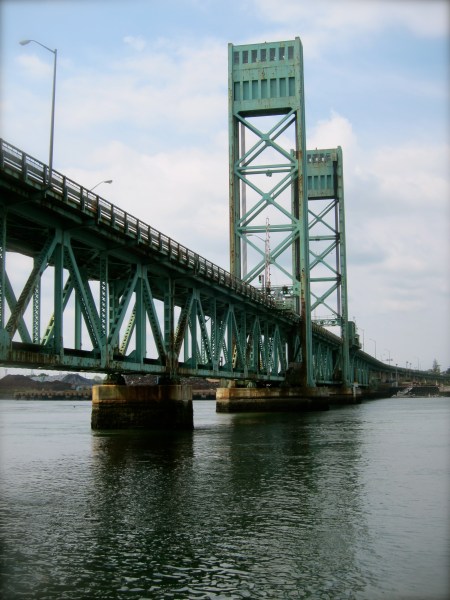
…and under the Sarah Mildred Long and Piscataqua Bridges along the way.
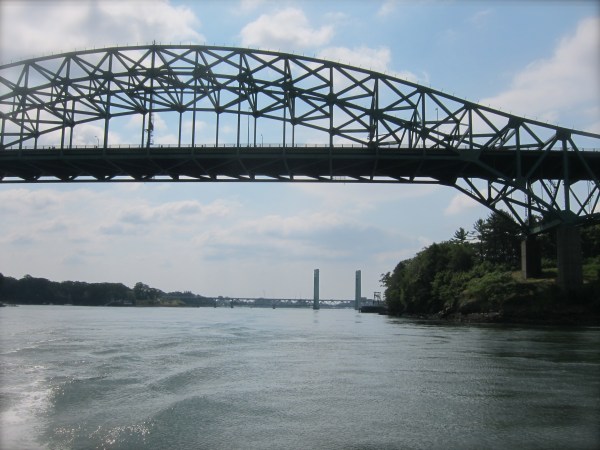
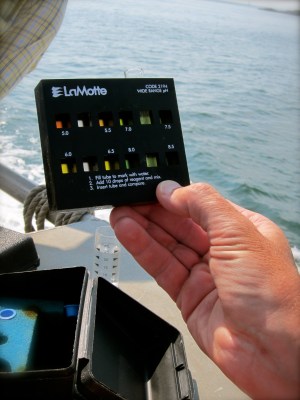
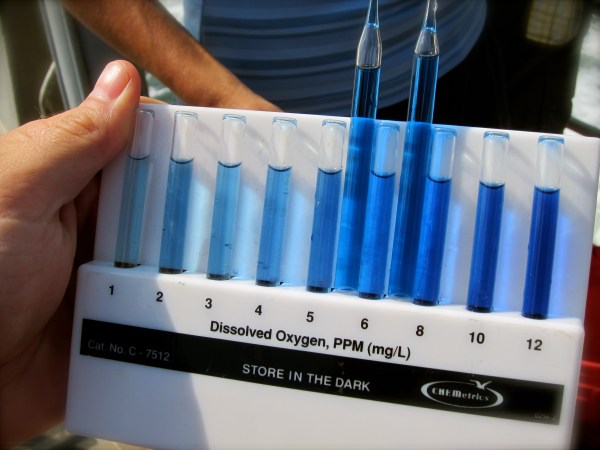
We made stops to conduct water tests… 
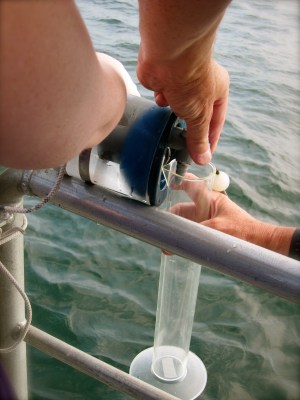
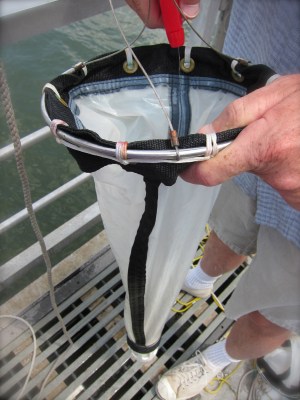
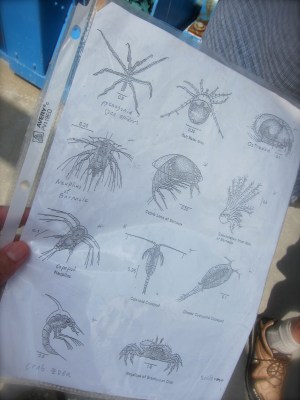
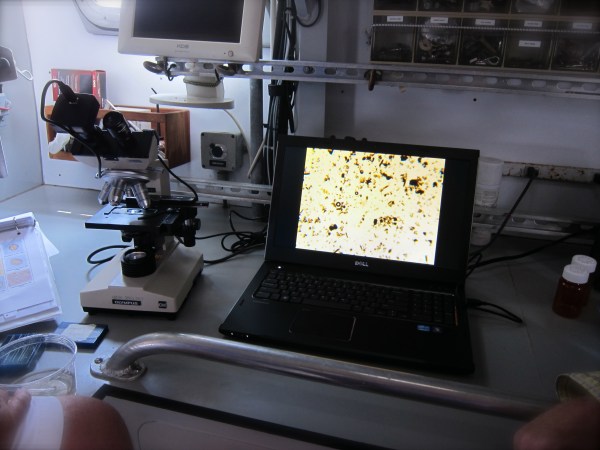
…and towed for plankton as ways of monitoring the health of the environment.
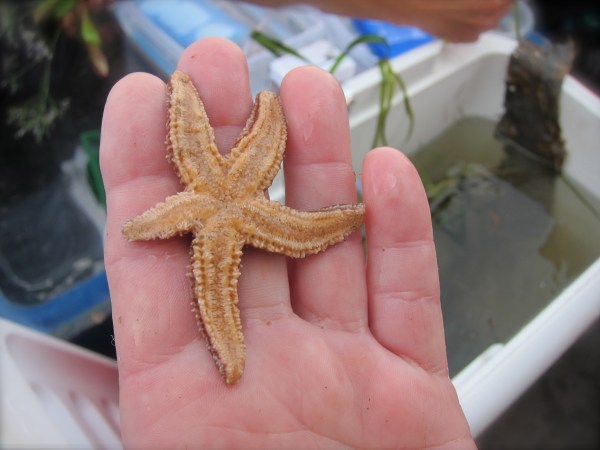
There was also sea life from the intertidal zone to take a closer look at. This lopsided sea star is regenerating one of its arms.
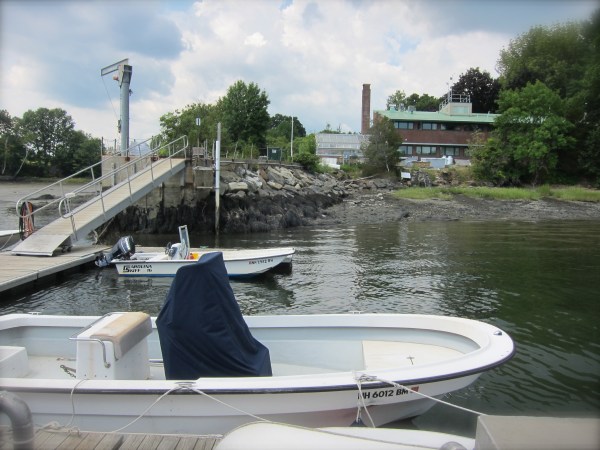
Our final destination was the Jackson Estuarine Laboratory, located on Adams Point in Great Bay, where we toured the facilities and heard from several scientists about their different research projects.
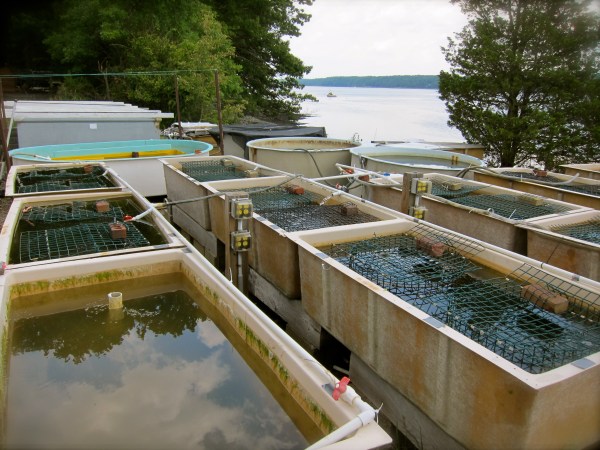
Outside the lab were research tanks holding horseshoe crabs, of special interest to scientists for their blue, copper-based blood, which is useful for testing medicines.
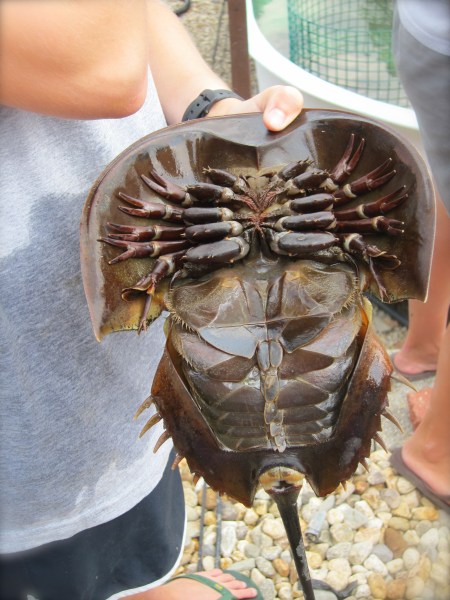
Pre-dating dinosaurs, these heavily armored crabs can most often be seen in May and June when they lay their eggs along the shores of Great Bay. On the underside, pincer-tipped legs surround their centrally located mouths.
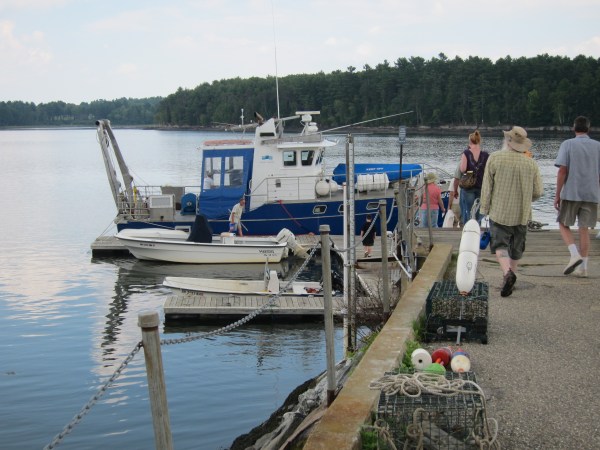
With the turning of the tide, it was time to head back.
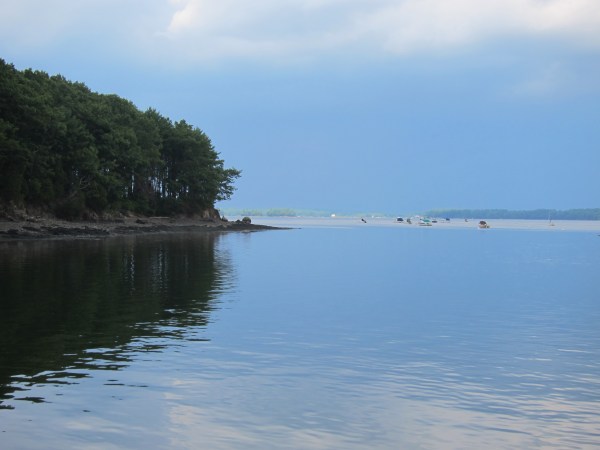
As we boarded, the air felt charged with energy. Some of the docents began measuring the distance of the storm, counting off the seconds between flashes of lightening and the sound of thunder.
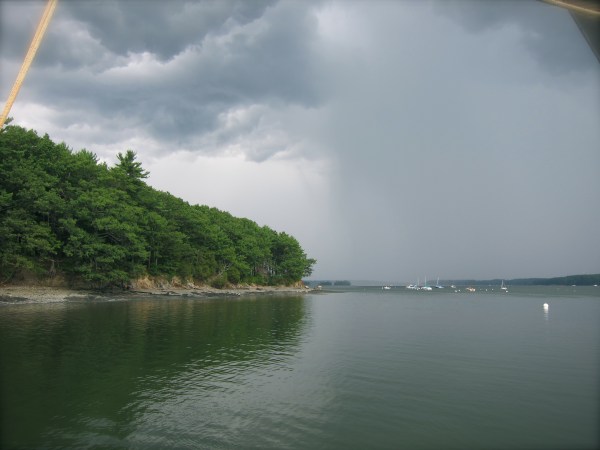
We’d barely cast off when, after quickly assessing the situation, the Captain turned the boat around and headed back to the safety of the lab. The storm was clearly headed our way and would soon be upon us.
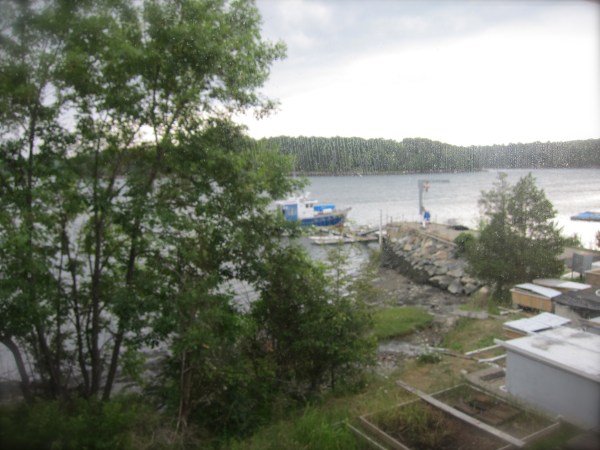
We reached the lab at the same time as the rain and took shelter there as we waited the storm out, grateful that we hadn’t been caught on open water with lightening overhead.
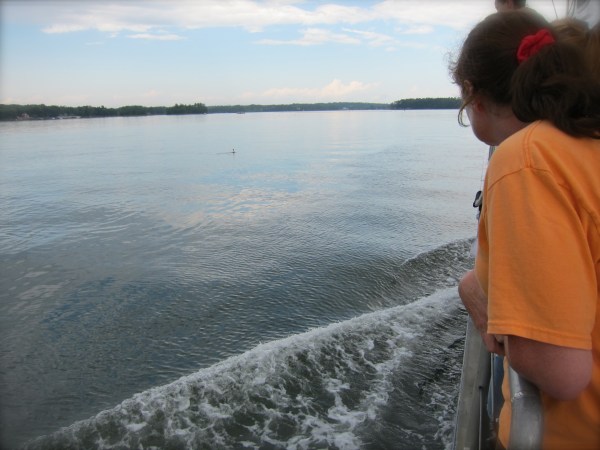
Once the storm passed, we made our way back to New Castle, later than anticipated but safe and sound. Many thanks to the Captain, crew, and marine docents for sharing their day and taking such good care of us.
Posted in field trip, interlude | 1 Comment

8.6.12 August harvest

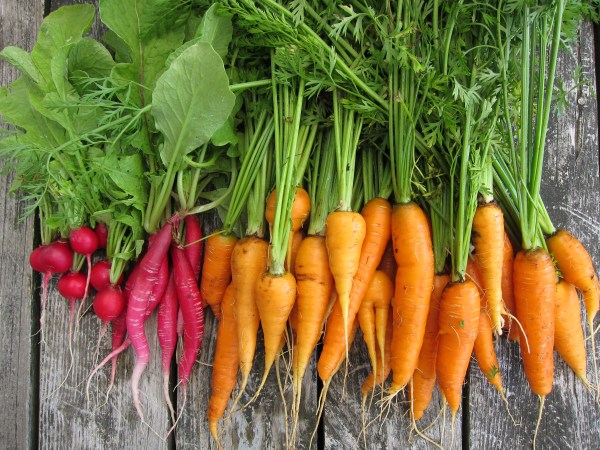
Another batch of radishes, Cherry Belle and Cincinnati Market, spicy from the heat, and the end of the first planting of carrots, a mix of Napoli and Red Core Chantenay.

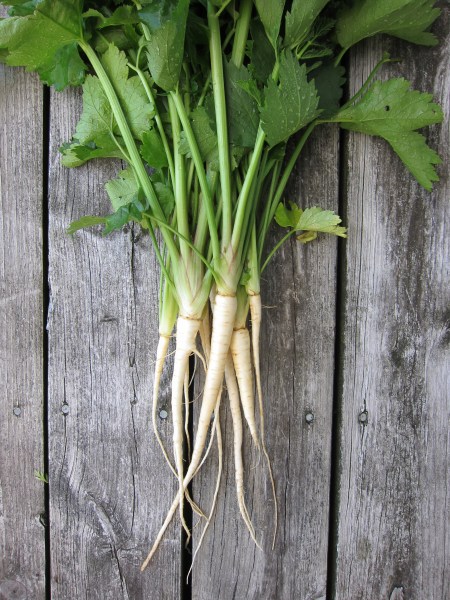
The parsnips, called Andover and planted for overwintering, needed thinning and yielded a handful of slender baby ones.
We collected Fairy Tale and Orient Express eggplant all week, and finally had enough on hand to make this.
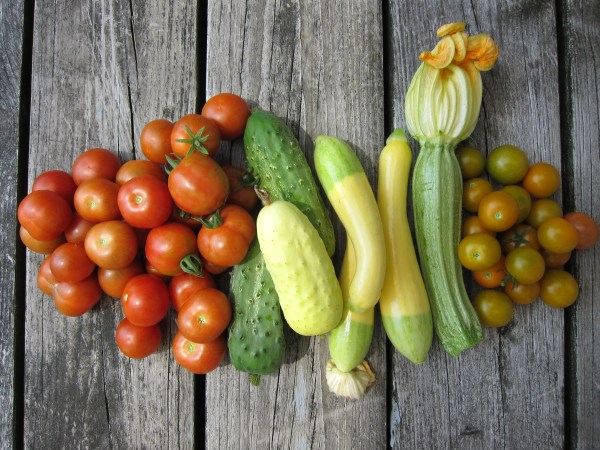
Coming on strong: cherry tomatoes, cucumbers, summer squash, green beans, eggplant
Still harvesting: fennel, favas, kale, chard, salad greens, arugula
All at once: beets, carrots, radishes

In the wings: more carrots, radishes, tokyo turnips
See you in the fall: parsnips, celeriac, leeks, beets, carrots, potatoes, winter tomatoes, winter squash

8.20.12: A big welcome to those of you visiting from Bonbon Break, thanks for dropping by! Make sure to also visit Daphne’s Dandelions, where she hosts Harvest Monday, a weekly gathering of gardeners to show off what’s being harvested, and how it’s being used or saved. Harvests may ebb and flow with the change in seasons, however, there’s camaraderie in knowing others around the world are growing food in whatever space they have available, whether it’s on a balcony or windowsill, in a container or raised bed, or an entire lawn converted over to cultivation.

Posted in garden | Tagged , , , , , , , | 21 Comments

Mastering Food Preservation: Drying & Herbs

A line of jars aglow with colorful herbal vinegars greeted us as we arrived at our third Master Food Preserver training session. The evening’s focus was on drying and herbs, and the flavored vinegars were samples of just one of the ways to preserve the taste of summer. Left to right: raspberry, tarragon, parsley-thyme, and lemon-dill-pepper vinegars.

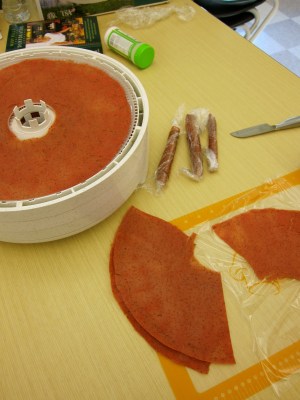
Several stations were set up to take us through various procedures and techniques. Strawberries leftover from the last session were pureed, combined with applesauce for added structure, slicked onto trays made for this purpose, and dehydrated into fruit leather. Mary Bell’s Complete Dehydrator Cookbook dedicates an entire chapter on making food leathers, with inspiring recipes going far beyond fruit, with unusual leathers made of rhubarb, pumpkin, tomato or beet.

Drying herbs is the easiest way of preserving them. Tender-leaf herbs such as basil, oregano, tarragon, and mint can be dried quickly by hanging them inside paper bags to dry. I hadn’t thought of this before, but using a hole puncher to puncture the paper bags is far more effective and less dangerous than using an ice pick or skewer (who, me?). Simply close the top of the bag with a rubber band, and place where air currents will circulate through the bag, until the herbs are sufficiently dried.

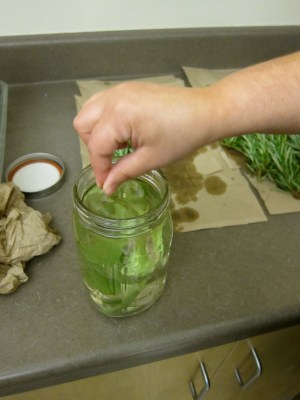
Flavoring vinegar with herbs is another preservation technique that can be done at home.   We made separate batches of sage and rosemary vinegar, with white vinegar as a base. As with any preservation technique, it’s important to wash the fresh herbs thoroughly. After the herbs are washed and dried, it’s recommended that they be dipped in a sanitizing bleach solution of 1 teaspoon household chlorine bleach in 6 cups of water, particularly if they’re to be packed in a liquid. To test the efficacy of this step, the herbs were rinsed twice and appeared to be clean before dipping in the sanitizing solution. Afterwards, they’re rinsed once again under cold water and pat dry.

For home use, most will want to choose a agitated wash over using a sanitizing solution. Still, the amount of residue and organic matter (re: insects) that settled to the bottom of the sanitizing solution after dipping the already twice-cleaned herbs was notable.

A sprig of herbs was placed in each sterilized jar. White vinegar, heated to just below the boiling point (at least 190°–195°F), was then poured over the herbs, leaving a 1/4 inch headspace. The jars were sealed, then let to sit and cool undisturbed. To extract the greatest flavor, the vinegar should be left for 3 to 4 weeks in a cool, dark place. Once the desired strength of flavor is reached, the vinegar is strained or filtered, and rebottled in sterilized jars.

The next method we explored in class was making a savory herb jelly, in this case using sage. Mint jelly is the one most are familiar with, however, the basic recipe lends itself to endless variation, dependent only on the availability of particular herbs.

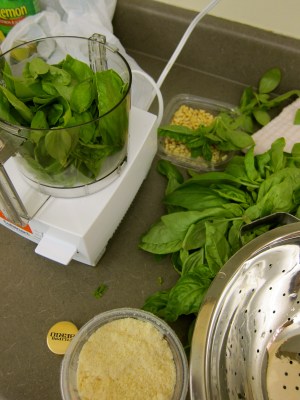
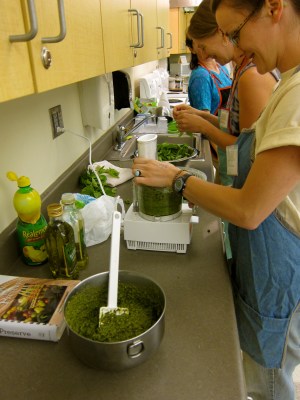
Lastly, herbs may be preserved in the form of a pesto. While this uncooked mixture of basil, garlic, pine nuts, cheese and oil is best enjoyed freshly made, it may be frozen for long term storage. Since garlic turns bitter when frozen, it’s recommended that it be omitted, and added back in just prior to use.

Fresh basil has a tendency to oxidize, and one way to help retain its bright color is through the addition of lemon juice. Two test batches of pesto were made as a comparison — the one on the left with lemon juice, the one on the right without. The difference was noticeable right away, and the batch without lemon juice began to blacken quickly.

This is third in a series of posts following the Master Food Preserver Program offered by the University of Maine Cooperative ExtensionNext: “Low-Acid Vegetables: Canning & Freezing”

Posted in cooking, preserving | Tagged , , , , , | 8 Comments

Hosmer Gardens, York

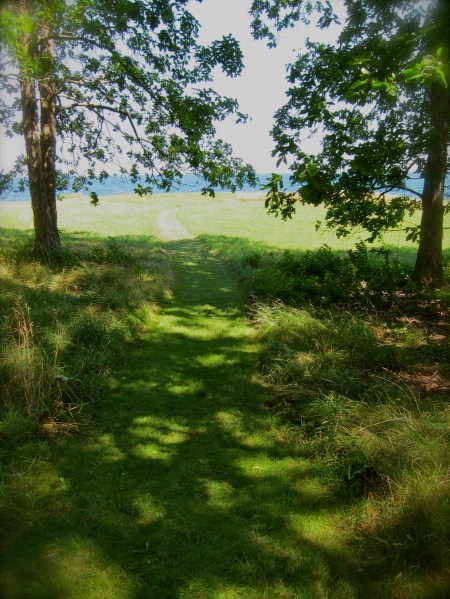
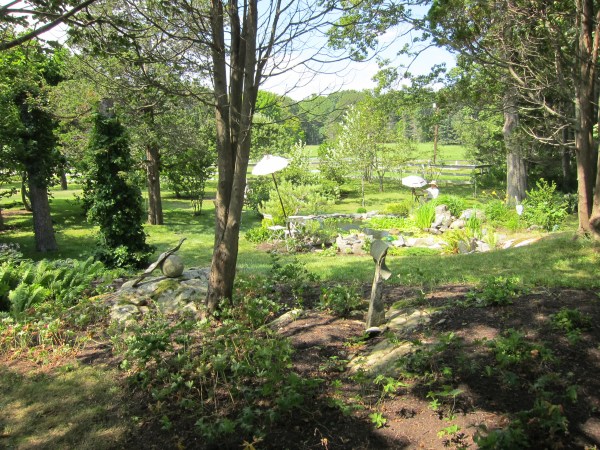
A mown path travels down through the protective stand of shagbark hickory, revealing sea and sky as it reaches the oceanside edge of this historic property in Southern Maine. Open to the public only on occasion, we fell fortunate to have the opportunity to visit Cynthia Hosmer’s private gardens as part of the Seacoast Water Garden Tour.

Situated on the rocky coast of York and stretching into Brave Boat Harbor, we were left awestruck by the expansiveness of the setting. The day was hot, sunny and windy, and this image came to mind as we wandered the estate.

There are intimate spaces carved out of the wildness of the setting, with fluttering parasols frequenting the landscape, lending a summery air.

The gardens are unexpectedly reserved, their restraint in counterpoint to the wildness of the ocean nearby, and in deference to their history.

Nearer to the house, a walled garden provides some respite and repose.

The ocean is a constant, very much influencing the gardens’ layout and design.

View more of this classic Maine garden…

Posted in field trip | 4 Comments

7.30.12 Garlic harvest

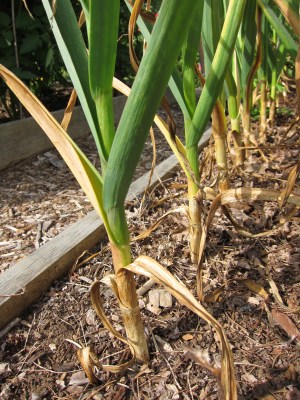
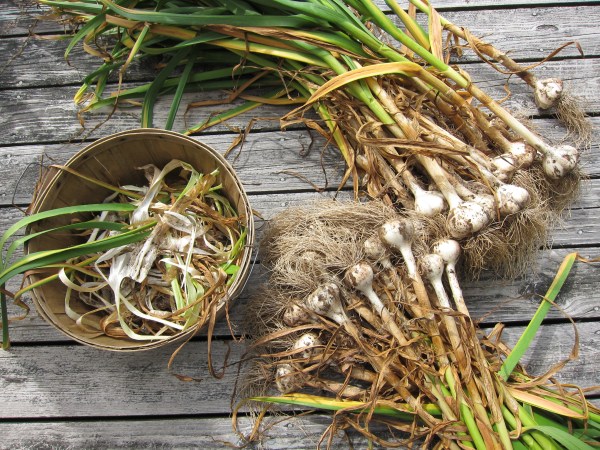
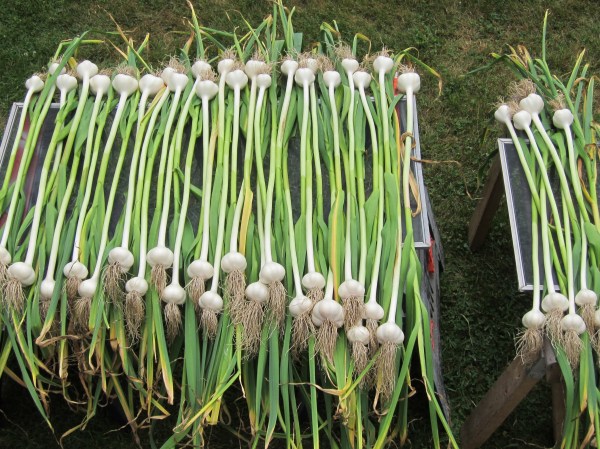
A run of hot, sunny days resulted in perfect conditions for harvesting garlic. 

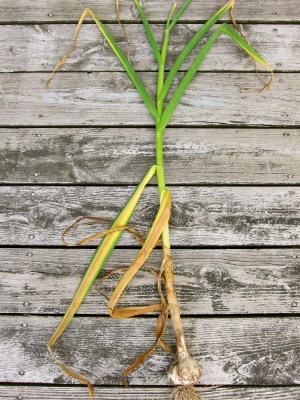
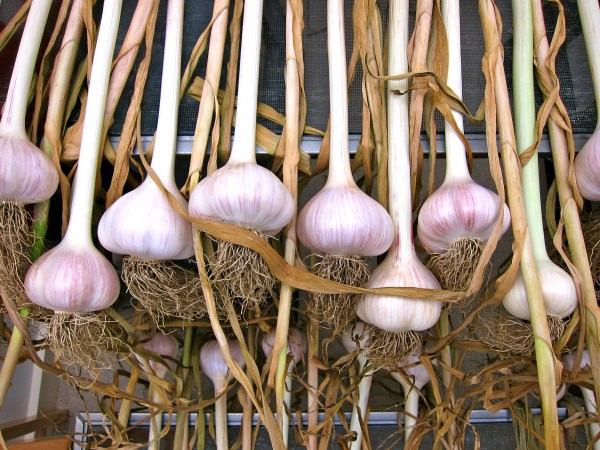
We waited for the bottom three leaves to die back, a sign they were ready to be pulled. We began with the German Extra-Hardy; each remaining leaf represents a layer of protective wrapper surrounding the bulb.

This wasn’t a large planting, and we plan to replace it with the Rossa di Sulmona we began acclimatizing this season.

The bulk of our planting is in Music, another hardneck garlic with large, juicy cloves and a nutty flavor. With only 4 to 5 cloves per bulb, we make sure we grow enough to have sufficient seed for the next round.

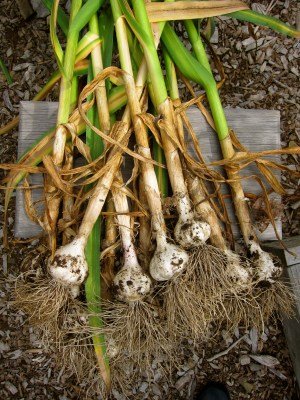
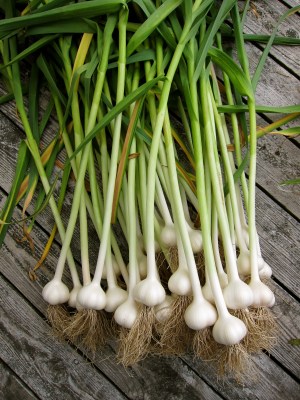
After the garlic is pulled from the ground, we strip the outermost layer in order to keep the bulbs clean and free of disease.

The third variety we grow is Phillips, another hardneck. These started out small in size but have become noticeably more robust each year.

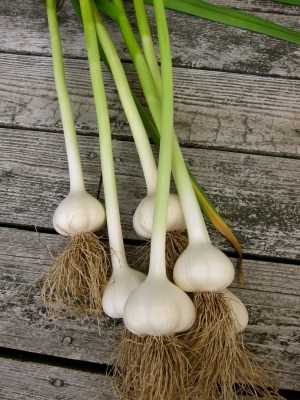
Each bulb is stripped and cleaned, then left outside for the rest of the day to begin curing. They’re then brought inside to finish curing in a warm, dry area.

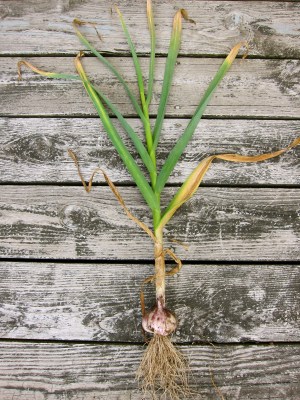
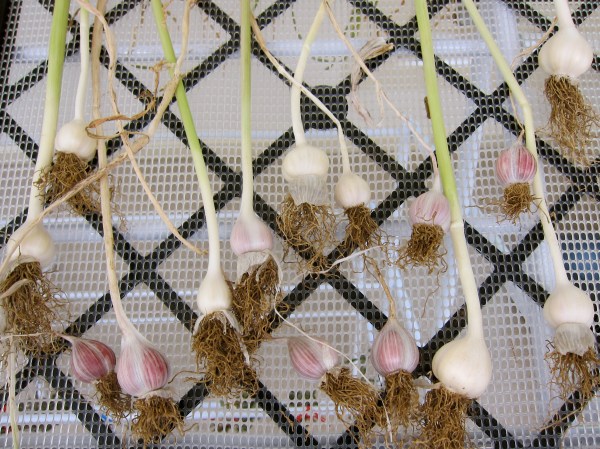
After a week of curing inside on screens, the garlic wrappers have all begun to turn lavender and pink.

The Rossa di Sulmona was at a disadvantage by being started in an unprepared bed. Once it’s transferred to the main garden, it should catch up in size with the other varieties once it’s established in a year or two.

Posted in garden | Tagged | 40 Comments

Sole in Parchment with Fennel, Basil & Kalamata Olives

We were members of Eastman’s CSF (Community Supported Fishery) several years ago and, like our fellow shareholders, came to rely on them as a source of local seafood. The CSF has since closed, but left us knowing what fresh fish is truly like. When we heard about a new one forming, we didn’t hesitate to join.

We chose the half-share option, and grey sole (witch flounder or pole dab) was in the first week’s delivery. Though the names seem interchangeable, the only true sole is that from Dover, the rest is actually flounder. Within this branch of the flatfish family, grey sole is particularly known for its small-sized fillet and delicate flavor.

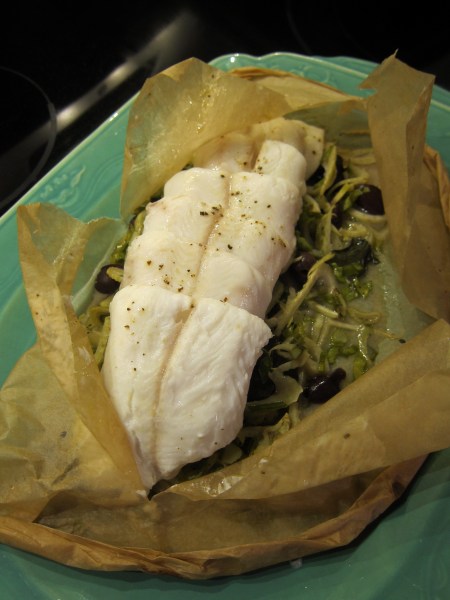
A pound of fish gave us 7 sparkling fillets. Fish this fresh is best in simple preparations, ones that let the fish shine. Baking it in parchment is an easy cooking technique that gently steams the fish, bathing the enclosed vegetables with the retained juices. This very adaptable method is also a fine way to make use of what’s in season. Instead of the original summer squash, we took fennel from the garden, shaved it into thin slivers, and added torn basil and a handful of Kalamata olives. The fish takes on the briny richness of the olives in an unexpected way, its clean leanness enhanced by the fleshy unctuousness of the olives.

Rather than individual portions, we chose to cook it up in one large packet. Folding instructions may be found here, an alternate version here. Aluminum foil can be used in place of the parchment, but won’t puff up in the same way as with parchment. The larger packet requires a longer cooking time, and tucking the sole filets in half prevents them from overcooking.

Sole in Parchment with Fennel, Basil & Kalamata Olives

1 bulb fennel, thinly sliced
1 to 2 stalks green onion, thinly sliced
1/4 cup Kalamata or other black olive, cut in half
Basil, torn into pieces
Good olive oil
Sea salt and freshly ground black pepper
1 pound filet of sole or flounder
White wine

– Heat oven to 350°F. Toss the cut up fennel, green onion, olives, and basil together with enough olive oil to coat. Season with salt and pepper. Place a large piece of parchment, about 15 x 24 inches, on a sheet pan. Mound the vegetables in the center. Fold each sole fillet in half and place on top of the vegetables, overlapping one another. Drizzle with some olive oil and white wine, and season with salt and pepper. Fold the parchment over the fish to create a sealed packet.

– Place sheet pan with parchment packet in oven, and bake for 20 to 30 minutes, until sole is cooked through (foil may take a bit longer). Remove from oven. Slide packet onto a serving platter, cut parchment open and serve immediately, taking care as it releases steam. Serves 2 to 4, depending on how much self control you have.

Recipe adapted from “The Perfect Ingredient” by Bryn Williams.

Local ingredients: Grey sole from Dennis Robillard/Kittery Point CSF; fennel, green onions, and basil from the garden.

Posted in cooking | Tagged , , , | 16 Comments

Local Food Report: Kittery Point CSF

A friend recently asked me when the revolution was going to happen. I say it’s here, it’s happening now, and this is what it looks like. It’s communities gathering on the grassroots level and taking positive action to rebuild our food system for the better through initiatives such as this newly formed CSF (Community Supported Fishery) based in Kittery Point, ME.

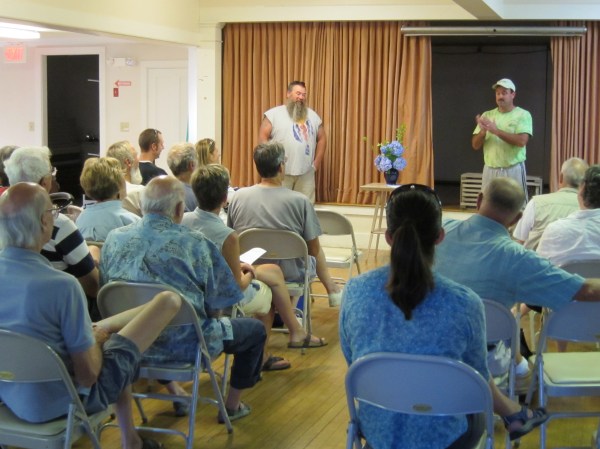
The CSF features both fish and lobster shares delivered over an 8-week period. Last week’s pick-up was the official launch of the CSF, and was an opportunity to meet local fishermen Dennis Robillard and Steve Lawrence. Dennis fishes out of Portsmouth, NH, and Gloucester, MA, and described how the week’s share of grey sole was caught the day before, then filleted for delivery that day. Though the CSF represents less than 1% of Dennis’ catch, it helped to break new ground by being the first catch filleted at a new processing facility in Gloucester. Steve spoke about lobstering in local waters off of Kittery, ME, and the issue of pollution run-off damaging lobster and fish eggs along the coast. Still, in his words, “Fishing is a great way to make a living.”

This CSF came together through the dedicated efforts of organizers Marcia Gibson and Amy Richards, who took the leap, not knowing if 1 or a 100 people would sign up. Shareholders in the audience cited variety, freshness of the fish, culture of community, and knowing where our food comes from as reasons for joining. At last count, about 50 shares have been taken, with full and half shares still available on a pro-rated basis. If interested, read more about it here, with CSF information available here.

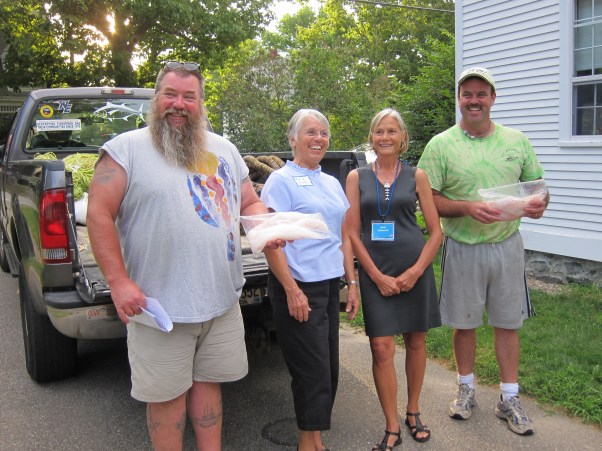
Left to right: Lobsterman Steve Lawrence, organizers Marcia Gibson and Amy Richards, and fisherman Dennis Robillard, with the day’s catch.

A version of this post appears at Seacoast Eat Local.

Posted in local food | Tagged , , | 4 Comments