10.26.11 Change in the weather

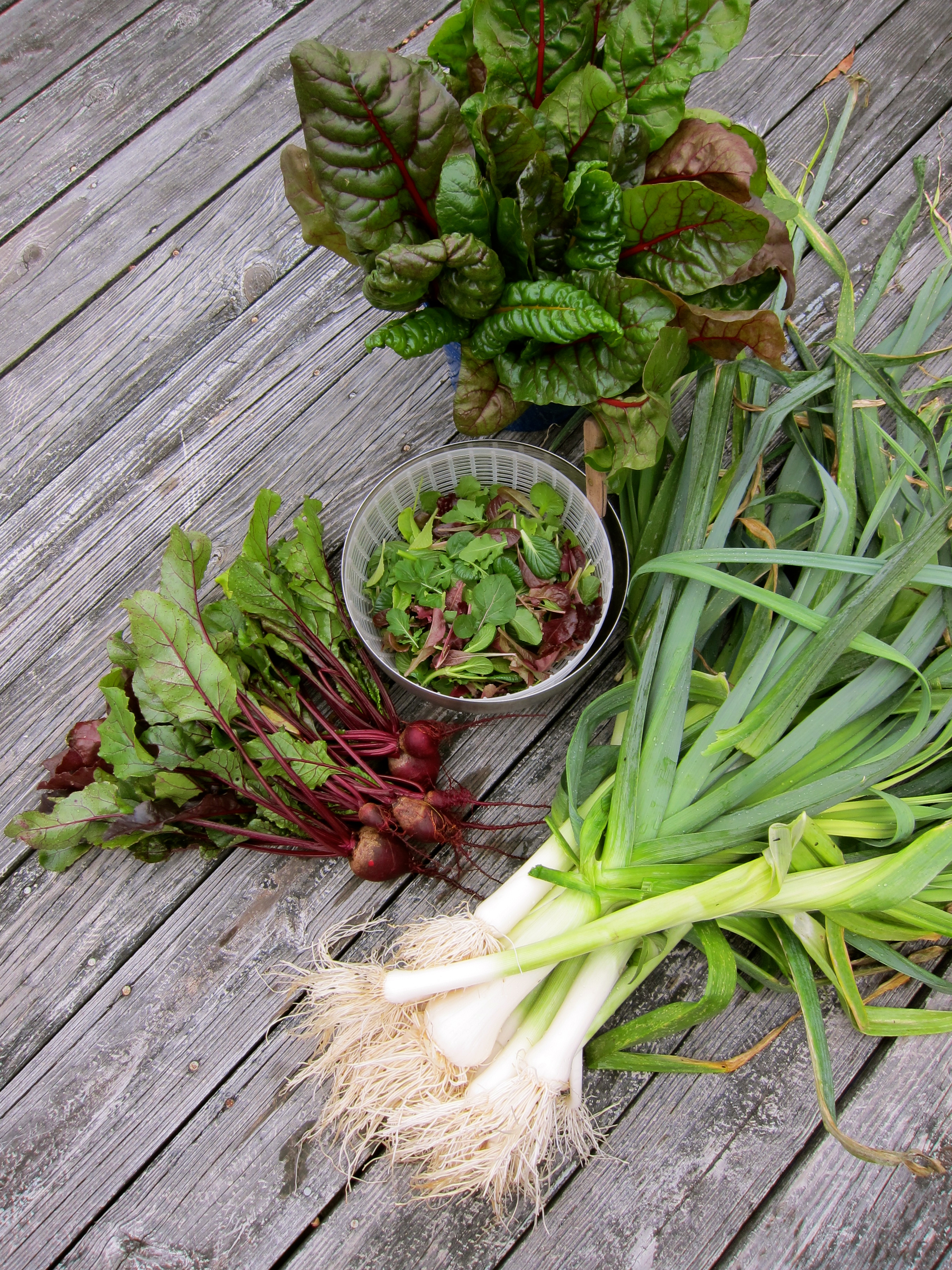
With a prediction of snow, it was time to take what we could from the garden (clockwise from top) — Rainbow Mix chard, King Richard and Giant Musselburgh leeks, Detroit Dark Red beets, and salad greens (Astro arugula mixed with Gourmet and Q’s Special Medley lettuces). Though the beets are cold hardy, we wanted to make sure we saved the greens, which will be combined with the chard for this (via 101 Cookbooks).

This slideshow requires JavaScript.

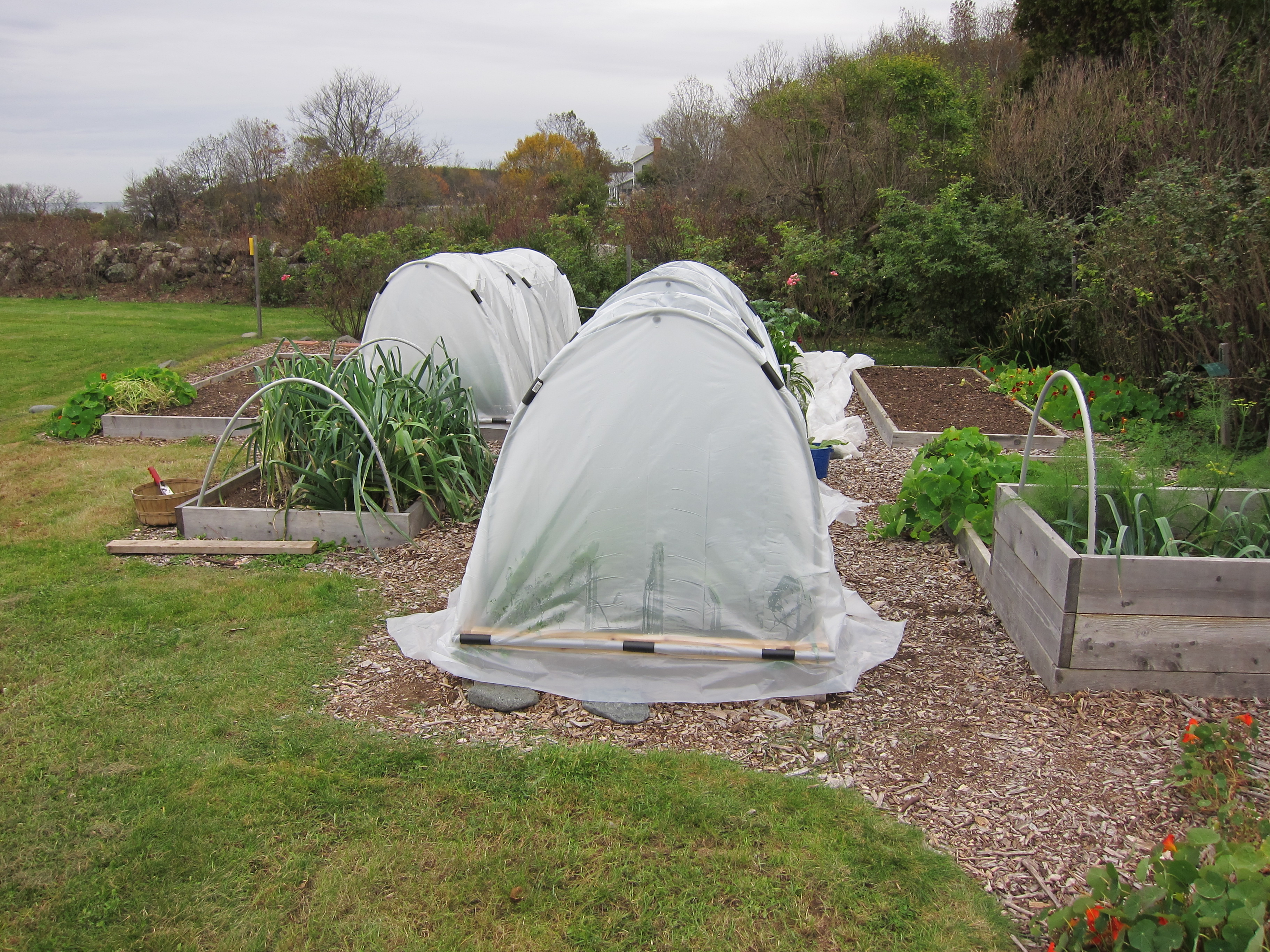
Everything else went under cover: salad greens, radishes, kales, chard, leeks, celeriac, fennel, parsnips, and carrots, along with a few other things we’re experimenting with.

Posted in garden | Tagged , , , , | 6 Comments

Fusilli Rustici with Tomatoes & Mushrooms

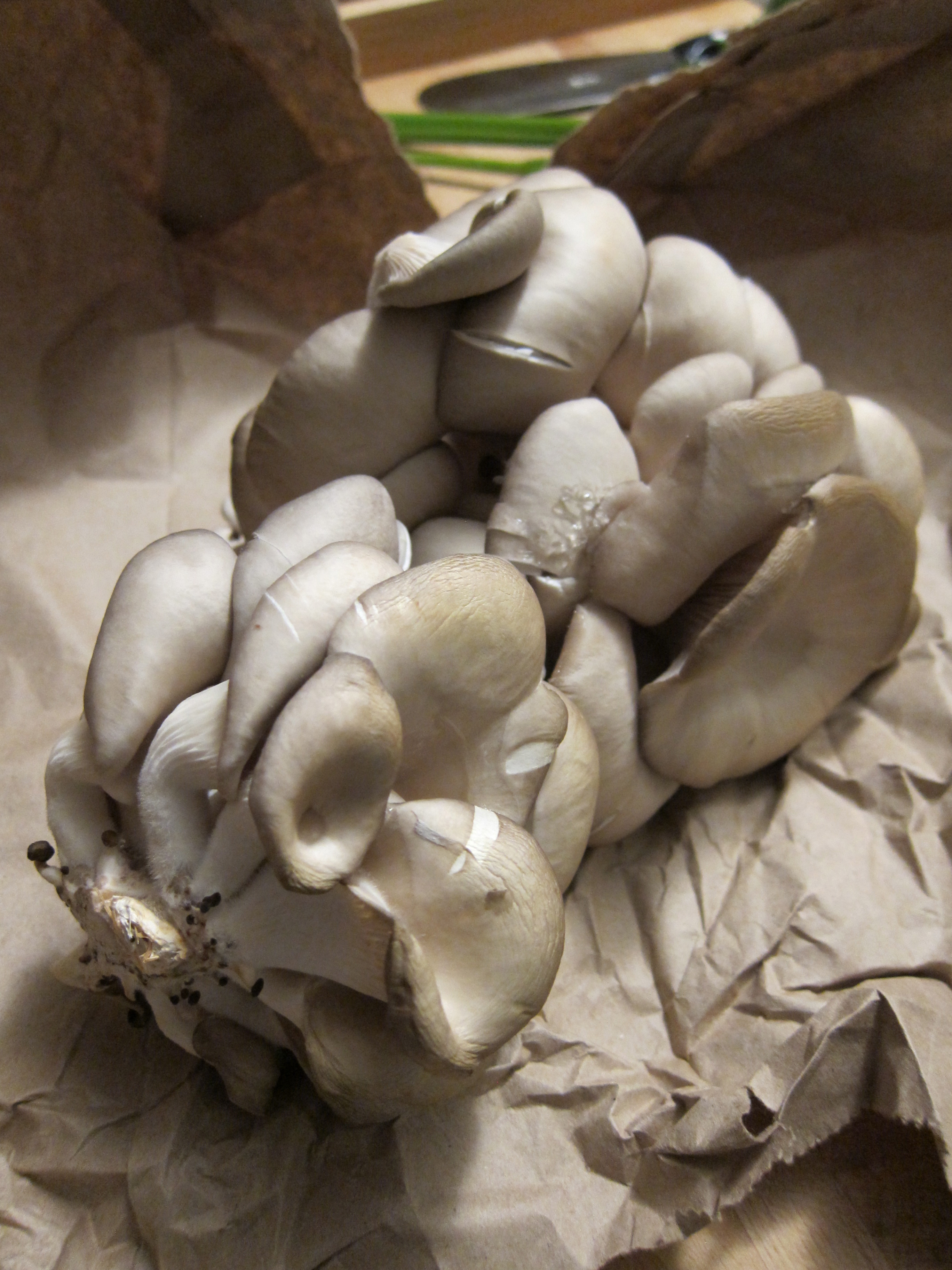
I’d wanted to try this second pomodorini recipe from Beatrice, but had to wait until I could get my hands on some locally grown mushrooms. I found some Blue Oyster mushrooms on offer at the Portsmouth Farmers’ Market, and Peter of Pawtuckaway Fungi took great care in packaging up two densely layered clusters for me. These fragile beauties suffered a little from being stored in our ill-tempered fridge, but were still glorious to use.

In her recipe for Fusilli Rustici Pomodorini del Piennolo e Funghi, or Fusilli with Tomatoes and Mushrooms, Beatrice recommends two Italian varieties of mushrooms, the Pioppini or the Chiodini. Depending on where you live, these mushrooms might also be found under other names — the Pioppini are sometimes called Black Poplar, Beech, or Chestnut Mushroom; and the Chiodini (“little nail”) are also known as Honey, or Brown Shimeji Mushroom. The most important characteristic of these two mushrooms is the way they hold their texture after cooking, something the oyster mushroom shares in common with them.

As for the pomodorini, only a handful of the ones hanging in storage were ripe enough to eat. In order to fill in the rest, I raided my stash of roasted tomatoes hidden away in the freezer. They worked well in this recipe, and I imagine would be fine in any other one calling for pomodorini. If you don’t have access to pomodorini del piennolo, fresh cherry tomatoes would also work.

Fusilli Rustici Pomodorini del Piennolo e Funghi
Fusilli with Hanging Tomatoes and Mushrooms

In Napoli they use a kind of mushroom called Pioppini or Chiodini. I always get them in NYC but you can use a meaty mushroom that can withstand cooking without losing bite. Enjoy! — Beatrice

1 pound (abundant) of mushrooms
1 pound pomodorini del Piennolo, whole and rinsed
4 garlic cloves
1 spicy chili pepper
5 tablespoons extra virgin olive oil
1/4 cup of freshly chopped Italian parsley
Freshly grated parmigiano
Fine and coarse sea salt
1 pound fusilli

– Place pasta pot over high heat. Add coarse sea salt when it comes to a roaring boil.

– In a large saute pan bring the garlic cloves to a lovely golden color in extra virgin olive oil over medium heat with a pinch of salt and the chili pepper. Add mushrooms and pomodorini, cook for about 20 minutes stirring every once in a while. Cook pasta very al dente and add to your sauce. Cook for 4 minutes, taste for seasoning. Add chopped parsely and parmigiano.

– Another must while cooking pasta is to make sure you cover the pot after you add the pasta to salted boiling water. You want the water to get back to boiling as fast as possible. Also never ever ever add oil to your pasta water. You just need to stir the pasta frequently while it cooks.

Recipe courtesy of Beatrice Tosti di Valminuta, Il Bagatto and Il Posto Accanto. More recipes and cooking advice available from Beatrice through her Allora videos.

Posted in cooking, tomatoes / pomodorini | Tagged , , , | Leave a comment

Kitty interlude

Household deity at work.

Posted in interlude, le due sorelle | Leave a comment

10.21.11 Mesclun, fennel & watermelon radish

I thinned out the fall crop of lettuce for a mesclun salad, and pulled up the first of our watermelon radishes to add to it. The fennel, one called “Perfection,” cooked up beautifully in the dish “Finocchio al Forno“, or fennel baked in cream. Once done, the cream forms an ethereal custard encasing tender chunks of fennel, and is worth using the best cream — namely local, organic — that you can find.

Posted in cooking, garden | Tagged , , | 7 Comments

10.18.11 Garlic chives

Garlic chives (allium tuberosum) going to seed — it took awhile for them to establish, but the garlic chives ended up being one of my favorite herbs to cook with this past season. We planted more and hope to have a nice patch of them next spring. The delay of frost has given us a chance to finish off some of the many garden chores that need to be done before winter sets in.

Posted in garden | Tagged | Leave a comment

10.18.11 Cherry tree in bloom

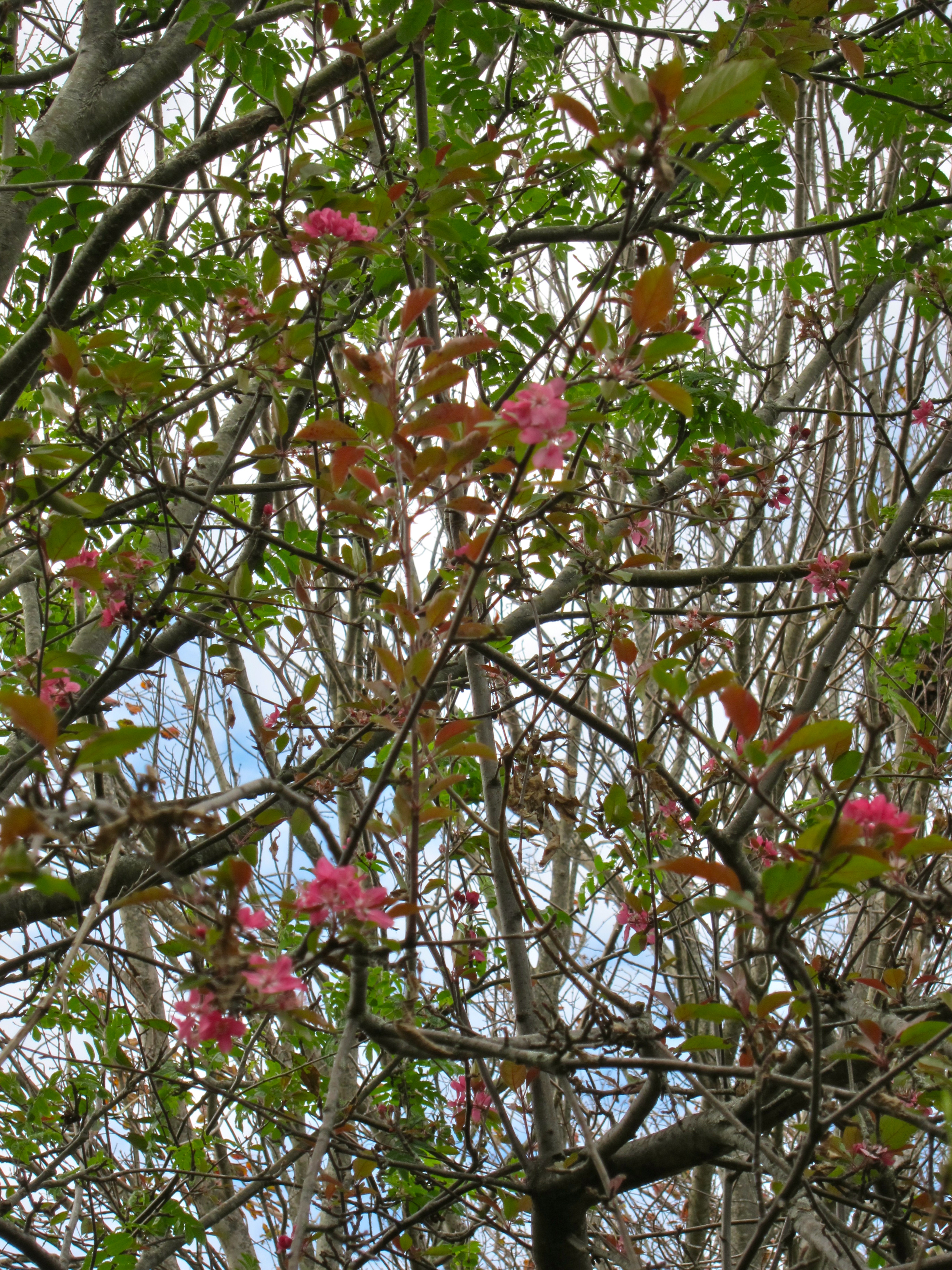
This photo from last week shows our cherry tree blooming, even though it’s fall. It’s almost the end of October and we haven’t had a frost yet.

Posted in garden | 2 Comments

Help Save Heirloom Seeds, Buy a Catalog Now

“To put it simply—these are good people with a small, historic business, selling important products during difficult times.”  — Ricki Carroll
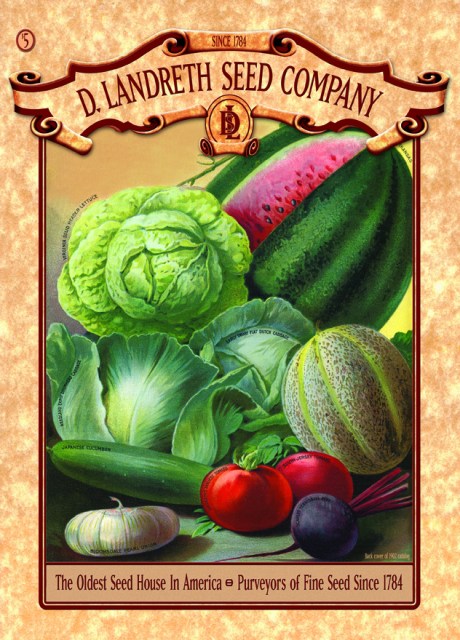
Campaign to Save D. Landreth Seed Company
Purchase a catalog for $5 and help save the oldest seed company in the U.S.

The oldest seed company in the nation, D. Landreth Seed Company, is in danger of closing. This seller of heirloom seeds was founded in 1784 in New Freedom, Pennsylvania — even George Washington bought his seeds there! Barbara and Peter Melera bought the company in 2003 in an effort to reclaim it as a viable business, and to support a worthy cause. She borrowed capital and, unfortunately, her creditor recently called in her loan.

In order to keep this historic business from bankruptcy, the company is asking folks to pay $5 for their next catalog. They will be printing only the number of catalogs ordered in this campaign. If they can sell 225,000 catalogs, they will be able to pay their creditors and continue their business!

To order a catalog and help this company through a rough spot – click here

To make a contribution (scroll down to ChipIn) – click here

From the Organic Consumers Association:

A Few Reasons to Use Heirloom and Open-Pollinated Seeds

1. We need genetic diversity.  It is not good for human beings or any other living creatures to become dependent on a limited amount of hybrid seeds. One example of this problem is the Irish potato famine in the 1840s. Farmers planted only a few species of potatoes from seeds that originally came from the Andes mountains. Those seeds were not hardy enough to survive the climate in Ireland and, as a result, over two and a half million people either died or were forced to leave the country.  If there had been more diversity, the odds are there would have been far less damage.

2. Heirloom seeds produce the exact same type of plant every year.  Hybrids are only the same once (built in obsolescence).  This supports their sale by the large seed companies because, as a consumer, you have to buy new ones every year.

3. Heirloom seeds are hardier because they have withstood the test of time.  They are therefore more resistant to pests, diseases and weather extremes.

4. Heirloom fruits and vegetables offer us a wider variety of nutrients.  This contributes to our ability to survive as a species.

5. Hybrid seeds have been bred to yield fruit and vegetables that can withstand being transported long distances (to market). This has compromised the taste, whereas heirloom seeds yield the full taste experience.

6. Genetically modified corn has been found to cause organ damage in rats- the kidneys and livers (the detox organs).  Other organs were also adversely affected.

Posted in uncategorized | Leave a comment