From what I can tell, the Principe Borghese are the same as what are known as Piennolo Tomatoes in Southwest Italy. From Cooks Info:
Piennolo Tomatoes
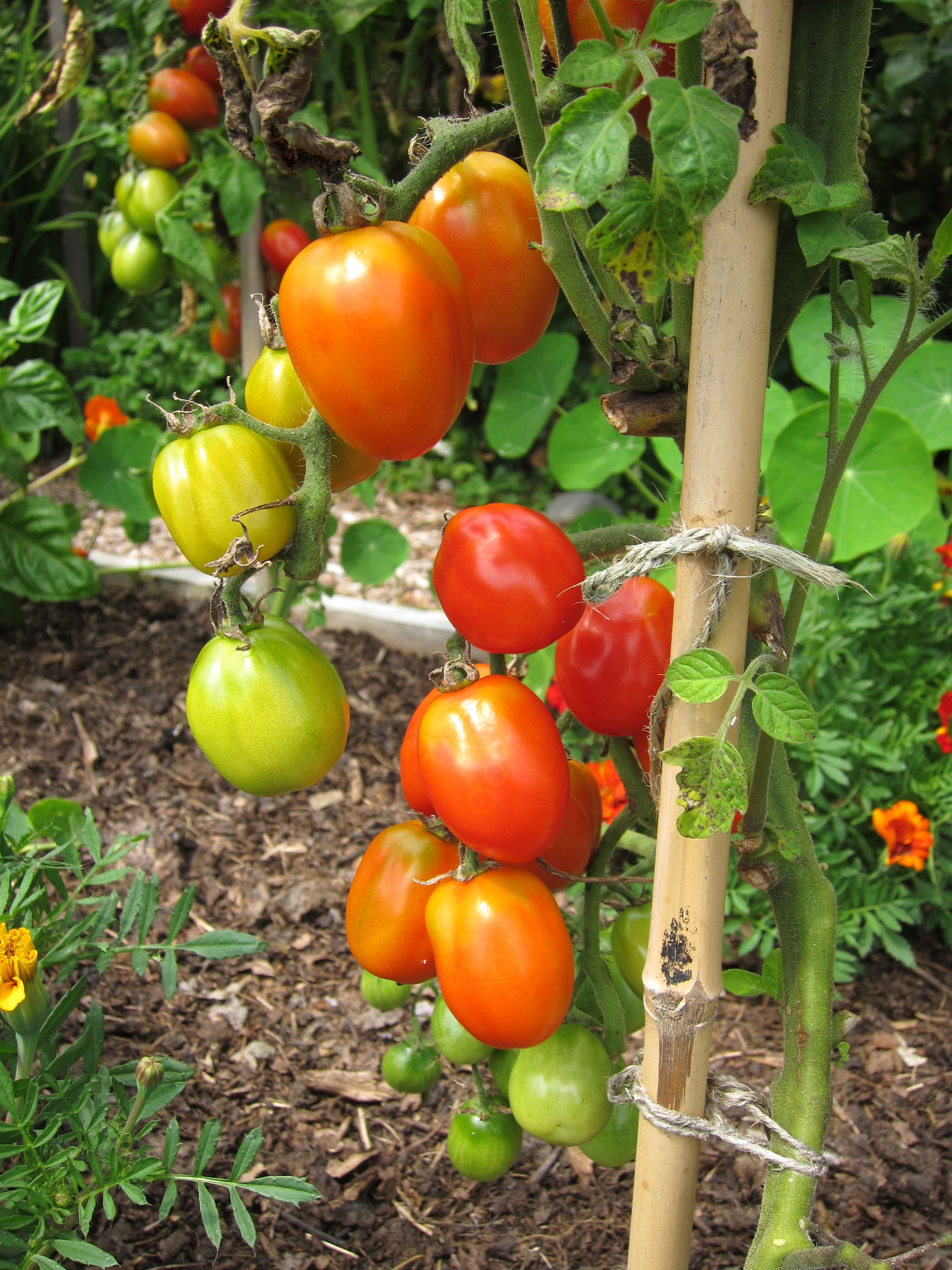
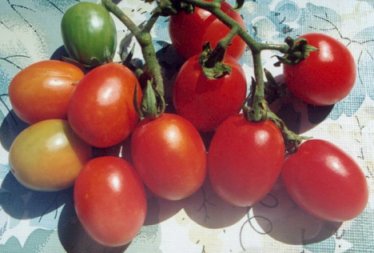
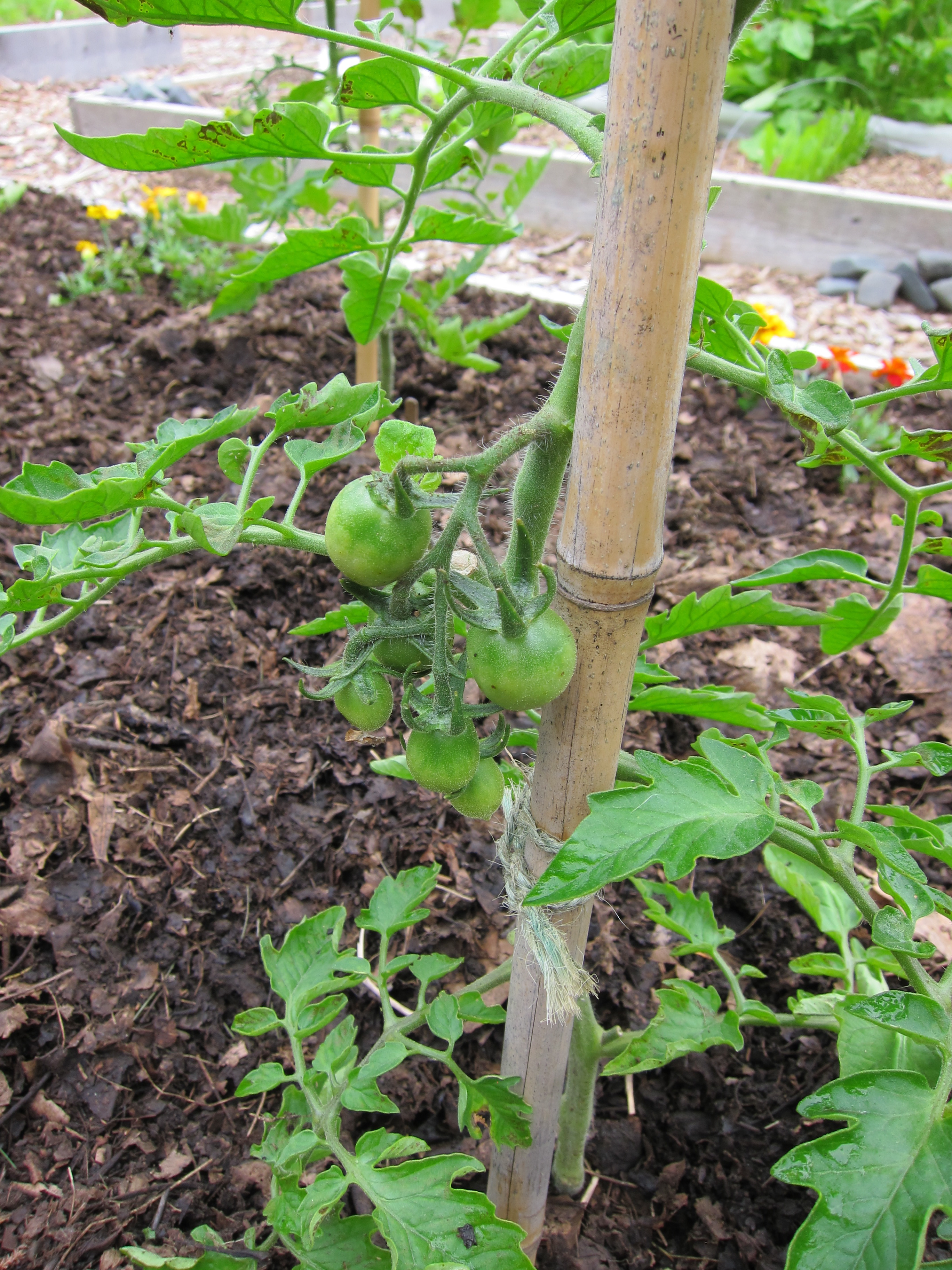
Principe Borghese Tomatoes range in size from that of a grape tomato to a small plum tomato, weighing 1 to 2 oz (30 to 60g), and will be up to 1 1/2 inches (4 cm) wide, with small points at their end. The tomatoes ripen to red. They have low moisture, few seeds, and a sweet taste. They grow in clusters of up to 10 tomatoes. Owing to the tomato’s low moisture, it retains more of its flavour when dried, so is often used for producing sun-dried tomatoes. It is also good for paste. The plant needs staking. 65 to 80 days from seed, depending on location.
Also called: Lycopersicon esculentum Principe Borghese (Scientific Name); Pomodoro Piennolo, Pomodoro Principe Borghese (Italian).
Those grown within the Vesuvian area, with the help of Slow Food, were awarded DOP (Protected Designation of Origin) by the European Union in November 2010, the same time we came across the Puglian variety of winter or hanging tomatoes:
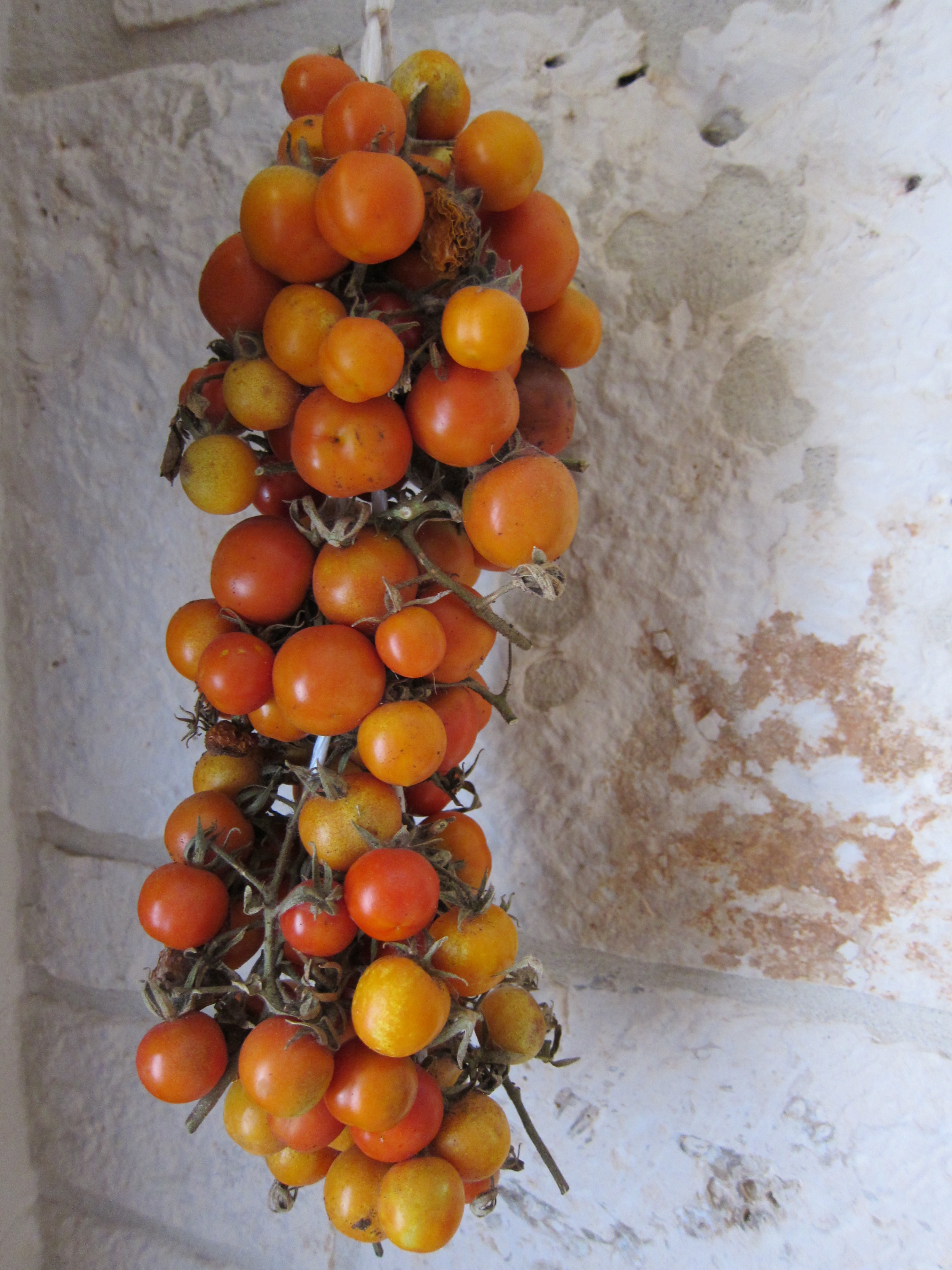
The Piennolo Cherry Tomato owes it name to the Vesuvian farming tradition of braiding the bunches of cherry tomatoes around a piece of string tied in a ring, so as to make a large bunch (the ‘piennolo’), which is hung in a dry and ventilated place. The tomatoes can thus be picked off the ‘piennolo’ as required during the following months.
The tomatoes are grown in non-irrigated land and a have particularly thick skin, both factors that help to preserve them throughout the winter and, in ideal circumstances, right up to the Easter following the harvest.
The Vesuvius Piennolo Cherry Tomato has a thick, almost crunchy, skin, and a very firm and compact flesh with low water content. Its exceptional taste is due to a wonderful combination of sugary substances and mineral salts. Subsequently, the tomatoes acquire a slightly bitter aftertaste from being preserved in the ‘piennoli.’
The distributional area for the cultivation of the piennolo cherry tomato covers all the comuni — or municipalities — within the perimeter of the Vesuvius National Park lying at an altitude ranging between 150 and 450 metres above sea level.
All the agricultural processes (transplanting, topping, earthling up, weeding, harvesting, etc.) are carried out by hand because of the uneven and terraced terrain, which hinders mechanization. As there is no irrigation, the yields are very low, not exceeding 10 tons/ha.
The Slow Food association has created a presidium to safeguard the piennolo cherry tomato, as it has done for other traditional and extremely high-quality products. On November 2010, the piennolo cherry tomato has been recognised as DOP (Protected Designation of Origin) by the European Union.
*Source link now unavailable.

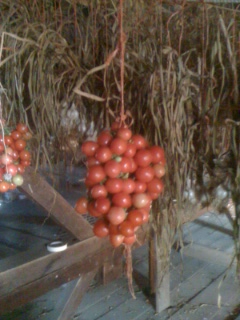 Just in from the amazing farmers at Meadow’s Mirth in Stratham, NH — bellisimi! They grew out the Principe Borghese from several sources, and also the grappoli. Thank-you Josh and Jean for helping to make these happen!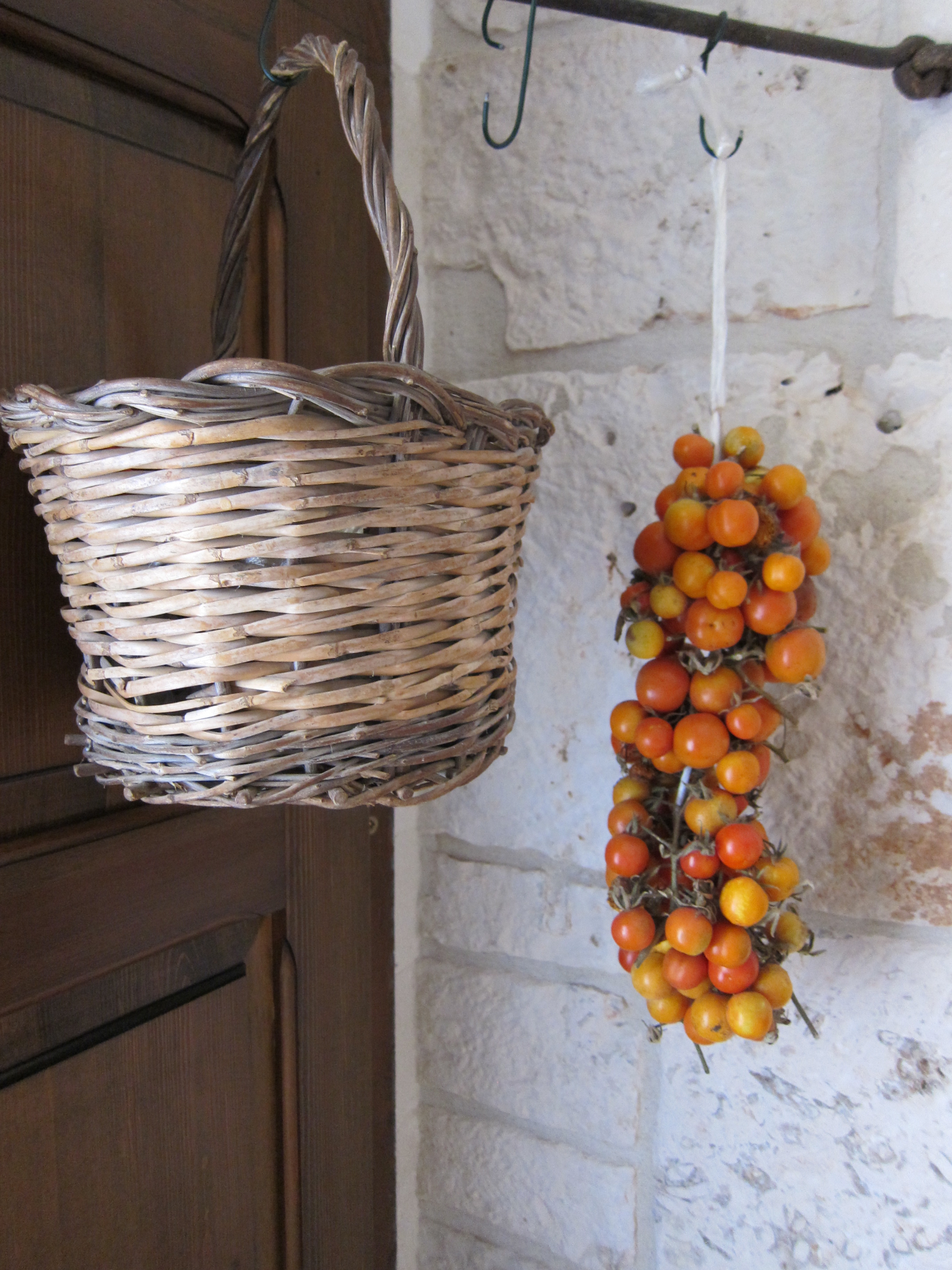




 Diary of a Tomato